09.
07.
2026.
Department
Direction
Direction
We recommend Krzysztof Heyke's exhibitions IN BLACK WHITE. TRACES ON A NON-EXISTENT TRAIL. SIBERIA and HIVEKEEPING EXHIBITION on show at the Cyprian Norwid Museum in Dębinki.
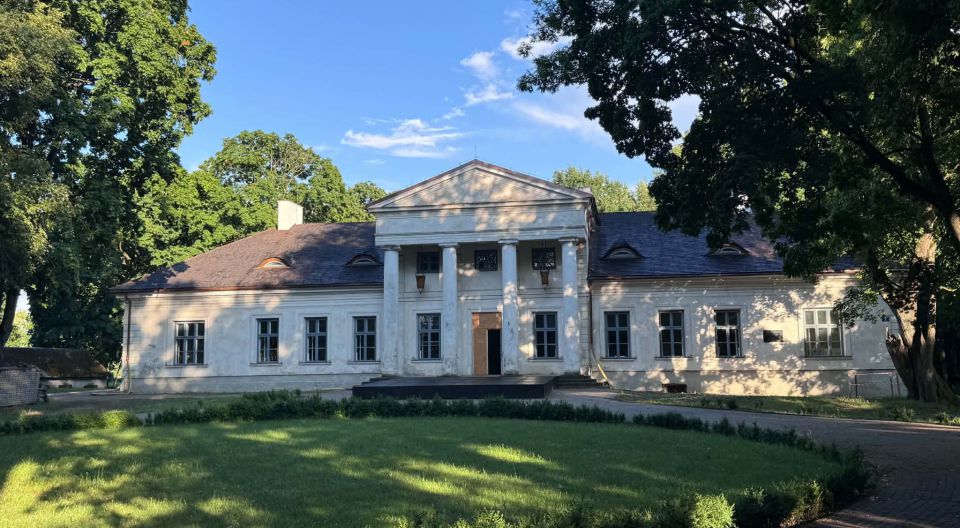
The Cyprian Norwid Museum in Dębinki hosts two exhibitions by Professor Krzysztof Heyke, photographer, traveller, and lecturer at the Film and Television Directing Department at our School.
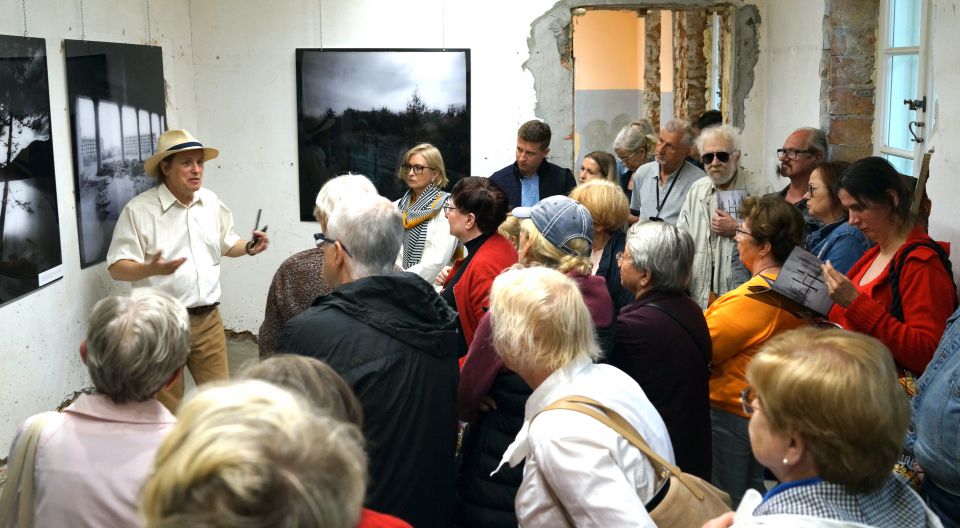
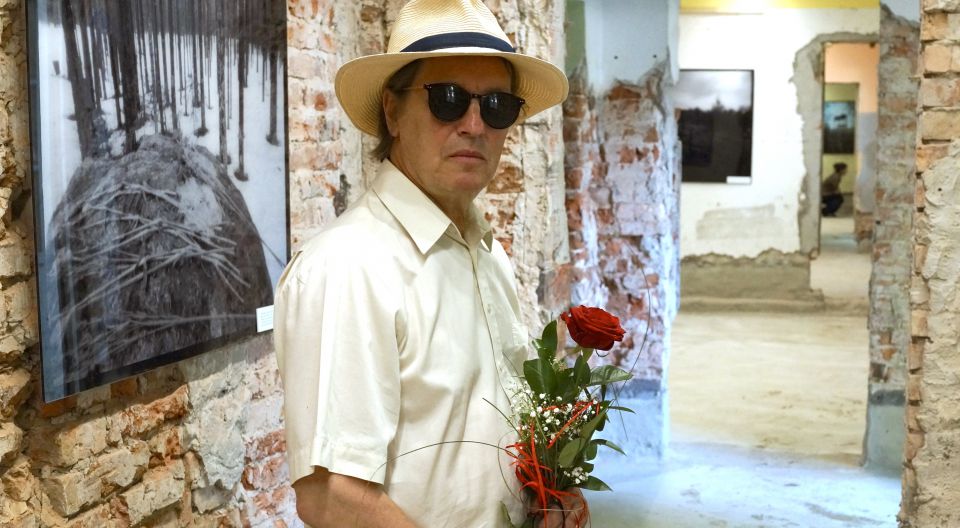
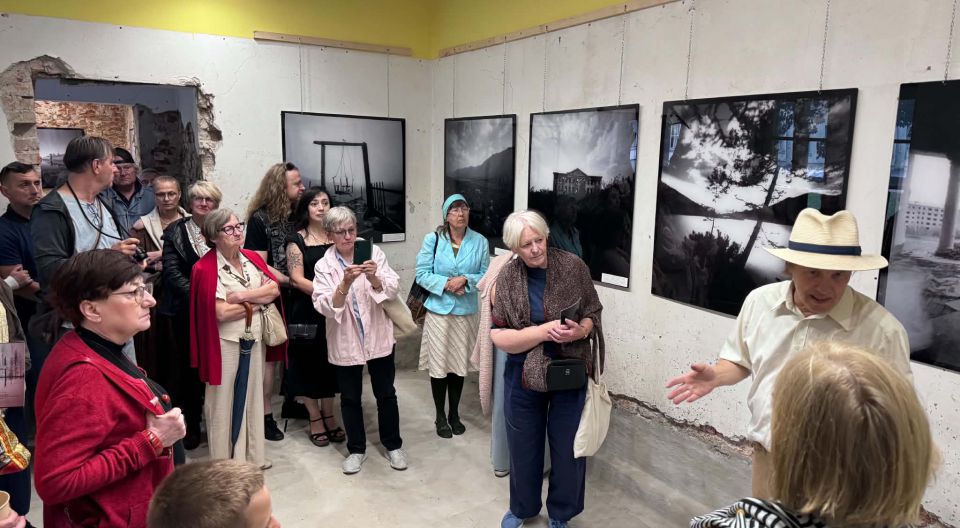
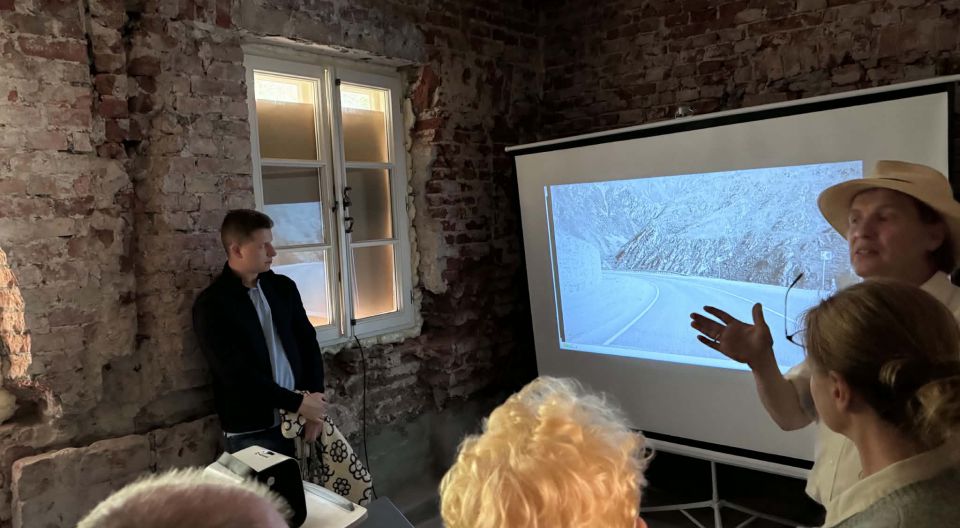
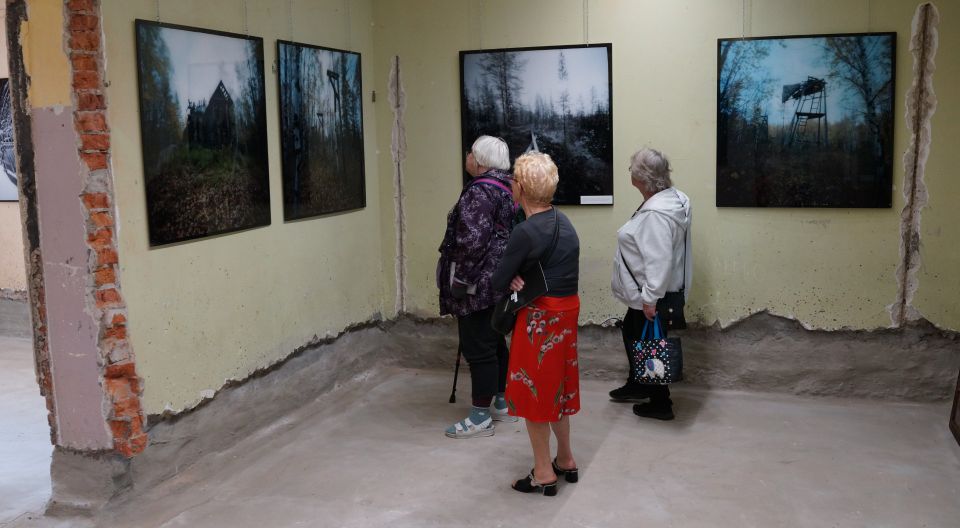
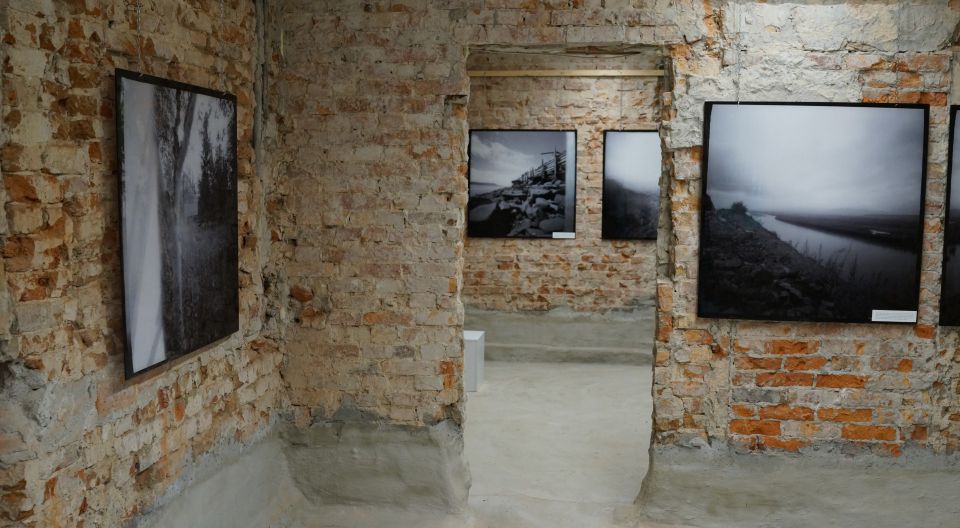
IN BLACK WHITE. TRACES ON A NON-EXISTENT TRAIL. SIBERIA – an exhibition of photographic works using the camera obscura technique.
The exhibition is the result of over 20 years of travel and photographic exploration by Krzysztof Heyke. The photographer travelled nearly 230,000 kilometers, visiting places connected with the Polish presence, from the Eastern Borderlands up to Siberia. His photographs explore themes of memory and oblivion, revealing spaces where history is gradually fading under the influence of time, nature, and human forgetfulness. The project was inspired by eyewitness accounts, exile diaries, and journeys in the footsteps of people connected with the history of Polish exile. The photographs record places which witnessed dramatic events and prompt reflection on how easily their memory can vanish.
"In my writings, I focused on places and people whose stories had not been previously recorded by historians or journalists. Limited by many circumstances, I rediscovered a time which had been erased from the memories of my interlocutors – experiencing with them the emotion and bitterness of years of isolation without rehabilitation," writes Krzysztof Heyke.
Andrzej Poczobut wrote a special introduction to Krzysztof Heyke's exhibition. It reads: "Krzysztof Heyke searches today for material remnants of the world of the GULAG and leads us through the wastelands, juxtaposing the remnants of the gulag hell with the beautiful harshness of Russian nature. This must hurt. This must always hurt. As Shalamov wrote in his iconic poem: 'But there is only one road to God, and it leads through distant camps.' And the way of the cross is always painful. So let's look at the material traces left to this day by this trail of the cross, passed down by millions of people… Russians, but not only them. And us too – Poles, but also Belarusians, Lithuanians, Ukrainians, Latvians, Georgians, Germans, Hungarians, Czechs, and dozens of other nationalities… These barbed wire fences, rotten walls, collapsing towers – they have seen much and could tell us much about the greatness and smallness of the human spirit. Following Krzysztof Heyke, I invite you on this dark journey."
HIVEKEEPING EXHIBITION
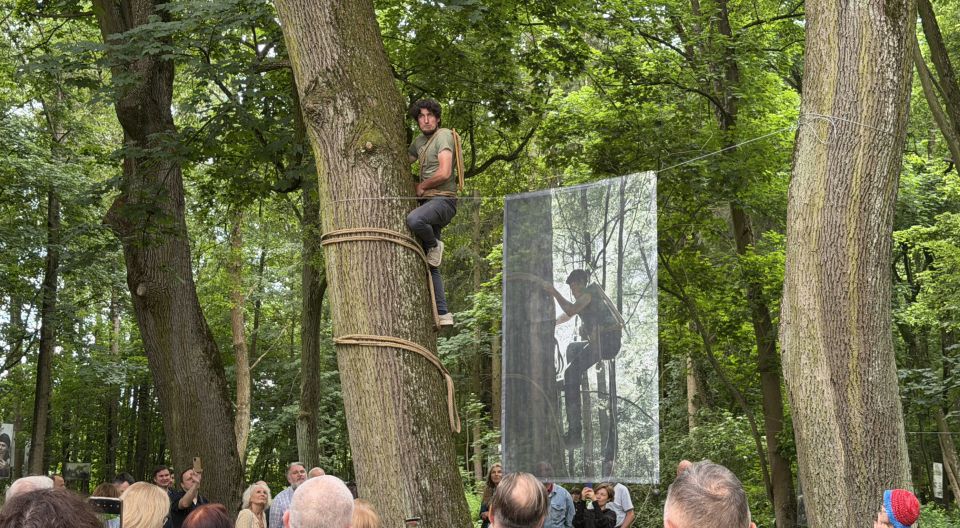
The exhibition presents photographs depicting the daily lives of beekeepers and their relationship with nature. The photographs, placed among the trees of the museum park, tell a story about work, tradition, and life in the rhythm of the forest. The palace also houses exhibits related to ancient beekeeping, including tools, equipment, and objects recalling one of the oldest traditions associated with the forest and beekeeping.
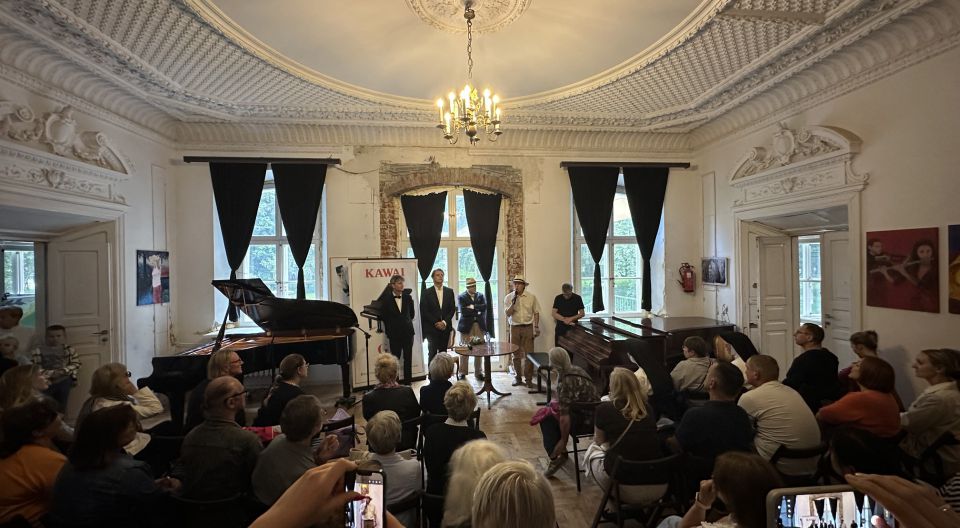
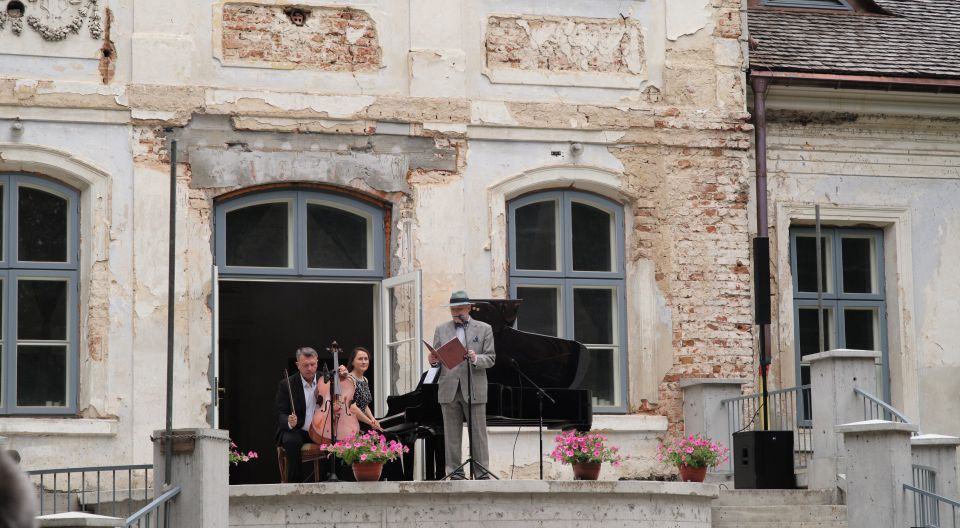
The opening of an exhibition of artifacts about beekeepers and large-format portraits of Krzysztof Heyke's "The Last Beekeepers" at the Cyprian Norwid Museum in Dębinki and in the adjacent palace park was preceded by a concert by Professor Maria Gabryś-Heyke and the Rector of the Frederic Chopin Music University, Professor Tomasz Strahl. Grażyna Barszczewska also performed on stage.
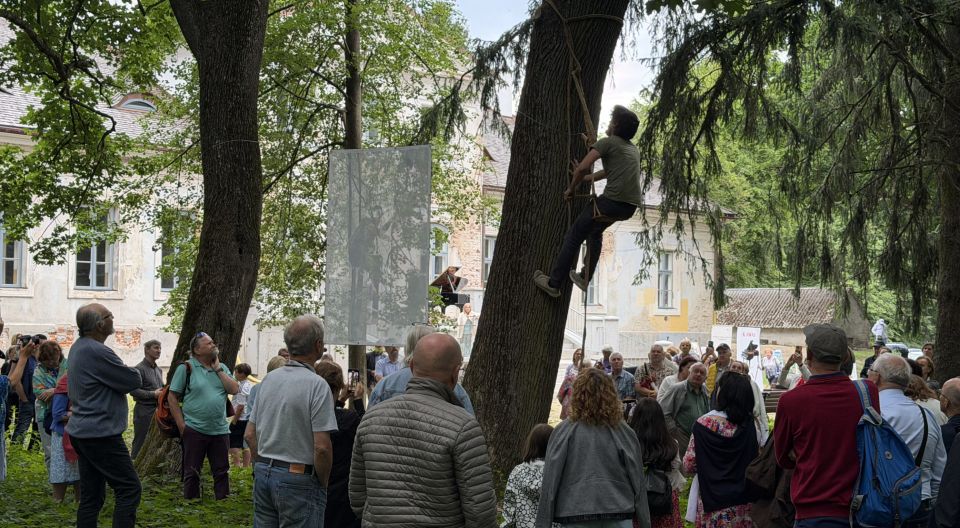
The extensive programme included a demonstration of climbing beehive trees using a special construction from ropes and a seat, presented by Piotr Piłasiewicz of the Beehive Brotherhood. At the end of the evening, many attendees sampled meads from the Augustów Miodosytnia.
The exhibition IN BLACK WHITE. TRACES ON A NON-EXISTENT TRAIL. SIBERIA is open to visitors until September 30, and the HIVEKEEPING EXHIBITION until August 23.
Cyprian Norwid Museum
7, Pałacowa Street, Dębinki
photos: Andrzej Olichwier, Maria Gabryś-Heyke
promotional materials of the Cyprian Norwid Museum in Dębinki were used
IN BLACK WHITE. TRACES ON A NON-EXISTENT TRAIL. SIBERIA – an exhibition of photographic works using the camera obscura technique.
The exhibition is the result of over 20 years of travel and photographic exploration by Krzysztof Heyke. The photographer travelled nearly 230,000 kilometers, visiting places connected with the Polish presence, from the Eastern Borderlands up to Siberia. His photographs explore themes of memory and oblivion, revealing spaces where history is gradually fading under the influence of time, nature, and human forgetfulness. The project was inspired by eyewitness accounts, exile diaries, and journeys in the footsteps of people connected with the history of Polish exile. The photographs record places which witnessed dramatic events and prompt reflection on how easily their memory can vanish.
"In my writings, I focused on places and people whose stories had not been previously recorded by historians or journalists. Limited by many circumstances, I rediscovered a time which had been erased from the memories of my interlocutors – experiencing with them the emotion and bitterness of years of isolation without rehabilitation," writes Krzysztof Heyke.
Andrzej Poczobut wrote a special introduction to Krzysztof Heyke's exhibition. It reads: "Krzysztof Heyke searches today for material remnants of the world of the GULAG and leads us through the wastelands, juxtaposing the remnants of the gulag hell with the beautiful harshness of Russian nature. This must hurt. This must always hurt. As Shalamov wrote in his iconic poem: 'But there is only one road to God, and it leads through distant camps.' And the way of the cross is always painful. So let's look at the material traces left to this day by this trail of the cross, passed down by millions of people… Russians, but not only them. And us too – Poles, but also Belarusians, Lithuanians, Ukrainians, Latvians, Georgians, Germans, Hungarians, Czechs, and dozens of other nationalities… These barbed wire fences, rotten walls, collapsing towers – they have seen much and could tell us much about the greatness and smallness of the human spirit. Following Krzysztof Heyke, I invite you on this dark journey."
HIVEKEEPING EXHIBITION
The exhibition presents photographs depicting the daily lives of beekeepers and their relationship with nature. The photographs, placed among the trees of the museum park, tell a story about work, tradition, and life in the rhythm of the forest. The palace also houses exhibits related to ancient beekeeping, including tools, equipment, and objects recalling one of the oldest traditions associated with the forest and beekeeping.
The opening of an exhibition of artifacts about beekeepers and large-format portraits of Krzysztof Heyke's "The Last Beekeepers" at the Cyprian Norwid Museum in Dębinki and in the adjacent palace park was preceded by a concert by Professor Maria Gabryś-Heyke and the Rector of the Frederic Chopin Music University, Professor Tomasz Strahl. Grażyna Barszczewska also performed on stage.
The extensive programme included a demonstration of climbing beehive trees using a special construction from ropes and a seat, presented by Piotr Piłasiewicz of the Beehive Brotherhood. At the end of the evening, many attendees sampled meads from the Augustów Miodosytnia.
The exhibition IN BLACK WHITE. TRACES ON A NON-EXISTENT TRAIL. SIBERIA is open to visitors until September 30, and the HIVEKEEPING EXHIBITION until August 23.
Cyprian Norwid Museum
7, Pałacowa Street, Dębinki
photos: Andrzej Olichwier, Maria Gabryś-Heyke
promotional materials of the Cyprian Norwid Museum in Dębinki were used