29.
01.
2026.
Others
Others
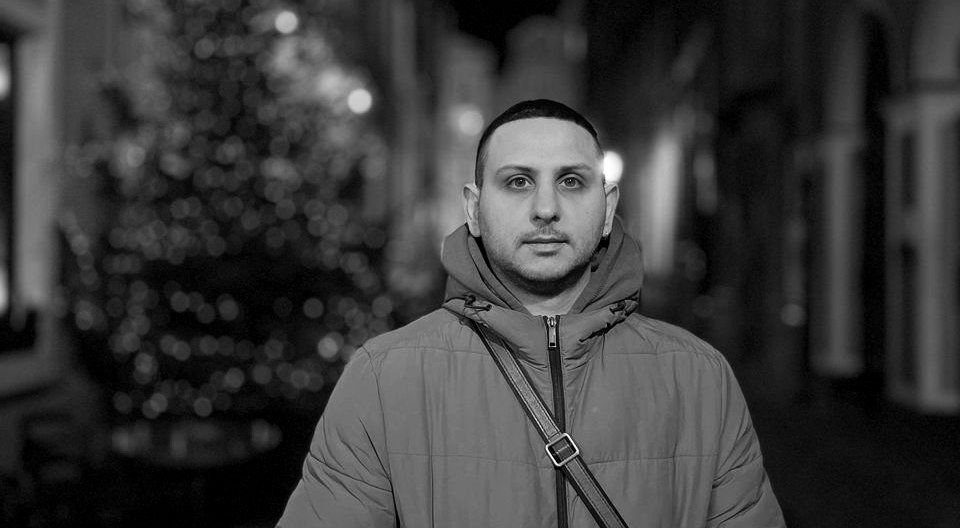
Danial Khodaie, a student of our School, talks about what is happening in his native Iran.
At the end of December 2025, Iran witnessed what was arguably the largest wave of anti-regime protests since the 1979 Islamic Revolution. The bloody crackdown by the ruling party, led by Ali Khamenei, led to thousands of deaths. The US temporarily withdrew its declaration of military intervention in Iran, which for many Iranians, including Danial, offered hope for the regime's overthrow. An information blackout has been in place there for over two weeks. Iran has been cut off from the Internet. The situation in Iran remains deeply unstable, and the world receives only scraps of information about it.
- "I know I can't go back there, I can't go home," Danial Khodaie, a cinematography student from the Iranian city of Ahvaz, tells us. "I always led a double life there—at home, I was myself, I said what I thought; outside, I had to be very careful. In the Islamic system, the penalty for admitting you're not Muslim is death by execution, and I wanted to live. Now, here, I only say what I truly think. Since the last wave of anti-regime protests in Iran, over 37,000 people have died, and thousands have been injured and arrested. Please tell the world about it. I want the world, and especially Poles, to know about it."
Jolanta Karpińska from the school Promotion Office and Marcin Malatyński, the Head for International Relations talked to Danial Khodaie.
- What are people in Iran protesting against?
- Generally speaking, against the regime of Ali Khamenei. Specifically, against the violation of basic human rights, against discrimination against women and minorities, in response to the corruption that is crippling the country, the massive financial crisis, and the poverty that afflicts the people.
- And they say 'Iranians are sleeping on oil.' Is that your curse?
- It's literally true. Iran is a rich country – it has oil, gold, silver, copper. Meanwhile, currently, you can buy 5 kg of beef for the equivalent of what you would earn in a month on minimum wage. When I came to Poland in 2018, one euro cost 60,000 rials. Now it costs over 1,700,000. That's a nearly 2,900% increase in eight years. People live under enormous pressure, and their basic needs are not met. In Balochistan province, residents don't even have IDs, even though there are gold mines in the region. When they protest, they're simply shot. I saw a film of a man buying a glass of oil because he couldn't afford a whole bottle. Cans of tuna in stores are being fitted with anti-theft devices. In such a wealthy country? That's absurd. Iranians say, "We wish we didn't have so much oil." Iran's wealth has become its curse. Massive fraud has led the country to ruin. At the same time, the children of dignitaries live in luxury in Europe and the US openly admit that they live on money stolen from Iranians.
- Iranians are rebelling against the ayatollah, who holds both political and religious power. How does this opposition relate to their religious identity?
- This is where the problem of disinformation arises. Iran is an incredibly diverse country in terms of population, nature, religion, culture, and language. 61% of the population is Persian; the rest are Kurds, Azeris, Arabs, Baluchis, and many other groups. Regarding religion, Iran is not a Muslim country. There is no official data on significant religious diversity, which in a totalitarian country is also a method of controlling society. According to the data available to me, only 30% of the population is Shiite, 22.2% has no specific religious affiliation, 8.8% is atheist, 7.7% is Zoroastrian, and other minorities (estimates according to Cultural Atlas). I will never ask anyone who or what they believe in. It doesn't matter to me. I try to be a good person; the kind of person I would want others to be for me. But in Iran, your religion is crucial. You are subject to the police and religious courts, which control and decide your entire life. If you are not Muslim, there is no place for you there.
- What has been happening on the streets of Iran since the end of December 2025?
- The situation is so dire that there are literally no body bags left in the entire country. The regime is brutally suppressing the protests. Reports have emerged that 5,000 mercenaries from terrorist groups in Iraq, Pakistan, and Lebanon have been brought into the country. They fired live weapons at ordinary civilians, including children. They opened fire indiscriminately, even aiming at windows when people were simply trying to look outside. The security forces used toxic gases, causing protesters to die from asphyxiation. The brutality is horrifying. I saw a film of IRGC (Islamic Revolutionary Guard Corps) members shooting a wounded girl lying on the ground, delivering a killing blow. I read about an underage boy who pretended to be dead in a morgue for three days, lying on a body bag. He waited for his family to find him because he knew that if the police discovered he was alive, they would kill him immediately. The regime has turned this tragedy into a business – families are forced to pay between 1,000 and 4,000 euros to recover the bodies of their loved ones. I heard of a man who, while searching for his own son, found another boy, still alive. He paid 2,000 euros and saved him, abandoning the search for his child. The Internet and telephone services were cut off across the country for 400 hours; to this day, I don't know if my friends are still alive. In prisons, young people are tortured and raped before being executed.
- How have the regime's actions affected you personally?
- In Iran, I worked for a news agency as a photojournalist. You must know, that you can't just take pictures on the street there. Thanks to my press card, I had that opportunity. But I quickly realized I couldn't show everything. What I did was censored, and I often found excuses to avoid fulfilling my superiors' mandates and distorting reality. I was arrested many times for what I did. I've been in Poland for several years, but I am from there —the regime's actions still affect me. For example, Iran has an internal banking system; many times I had no money at all—my parents couldn't send it to me. Now, for two weeks, I haven't had any contact with my loved ones. I don't even know if they're alive.
- How can you support your loved ones while you are here?
- A diaspora of approximately 11 million Iranians lives abroad. They speak various languages. Many of them are true ambassadors. The world doesn't know what's happening in Iran. We need to tell people about it. I'd like you to tell people about it too.
- Let's go back in time. How did you end up here with us at the Film School?
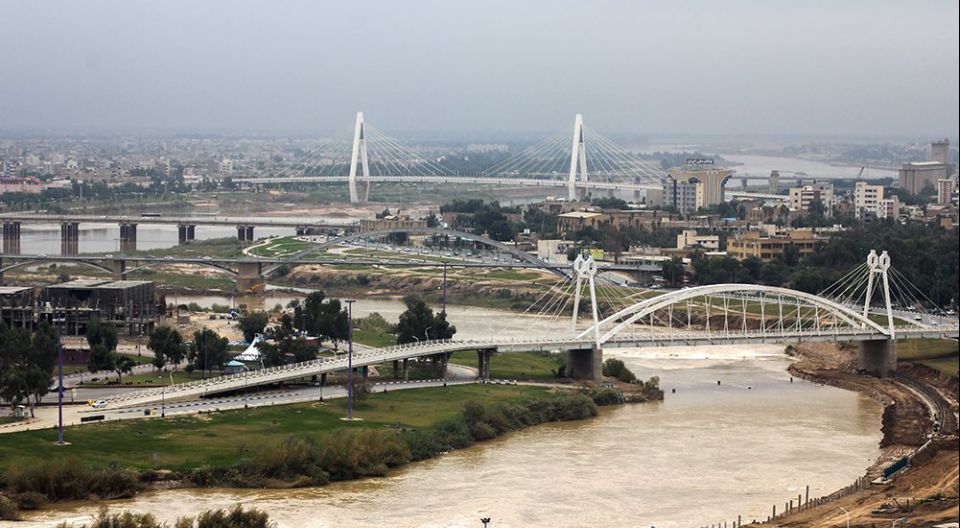
- I was a fan of Krzysztof Kieślowski. I liked Polish cinema, which is very well-known in Iran. Poland and the Lodz Film School were my first choice. In my city in Iran, Ahvaz, we have a district called "Campolo" – historically, it served as a camp for Polish refugees who came to Iran during World War II. Iran welcomed them then and provided care. There are graves of Poles in my city. The histories of our countries, though so distant from each other, are intertwined. Until recently, the last Polish woman to come from the USSR to Iran was still alive – Maria Bajdan. We called her "Madame." I wanted to make a film about this Polish community in Iran. Today, I know that it won't be possible.
- Many filmmakers and artists have left Iran.
- Abbas Kiarostami said that an artist is like a tree; you can uproot it and replant it somewhere else, but it will never thrive as it did in its own land. Many artists were forced to leave the country. Their fates have taken very different turns; many talents have blossomed, and many have perished. Bahran Beizay, a prominent Iranian film director, playwright, and academic, recently died in the United States. In his will he requested that his body not be returned to Iran after his death. He no longer wanted to return there. In recent days, Iranian filmmaker Panah Panahi has been posting an SOS for Iran on his social media. I want to repeat that: SOS for Iran.
- How do you think the situation in Iran will develop?
- The scale of the protests is enormous. There are thousands of victims, but there are also tens of thousands of people arrested. They could be subjected to further executions. I am convinced that as long as this regime remains in power, there will be more victims. The desperation is so great that people who once feared intervention are now asking the US and international organizations for help, even military assistance. It is terribly sad that we are waiting for another country to attack our own so that we can regain our freedom. The Islamic regime isn't Iranian—they don't represent us. They support Russia's aggression against Ukraine and terrorist groups. If this era ends, the world will be a better place for everyone. If you want to support us, read about Iran and talk to us. Knowledge helps us understand how to proceed.
Finally, I will quote a poem by Sa'di, a Persian poet from the 13th century:
"People are members of one another,
Invariably born of the same substance.
When fate strikes one organ with a painful blow,
Others resonate with its mournful voice.
If you are deaf to the misfortunes of others,
You are not fit to be called a man by nature."
Danial, thank you for this interview.
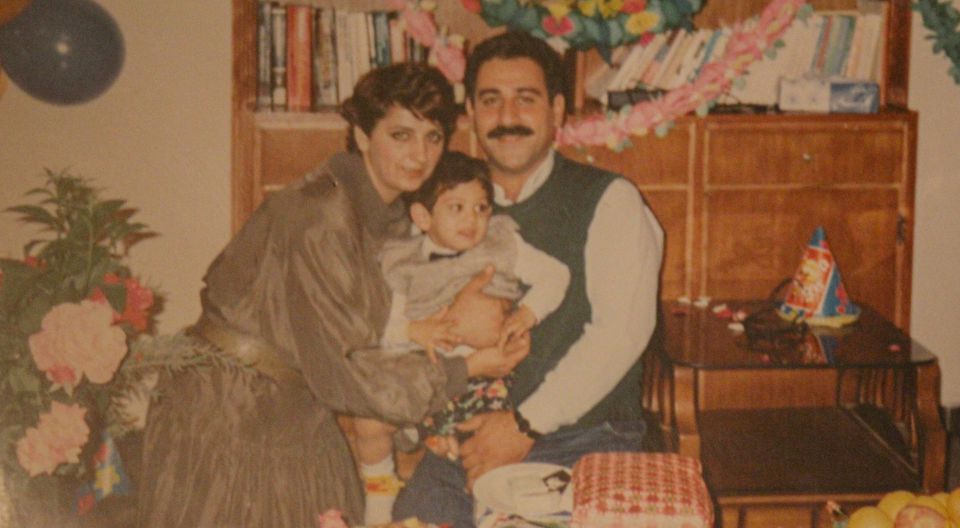
photos: 1 & 2 - Danial's private archive
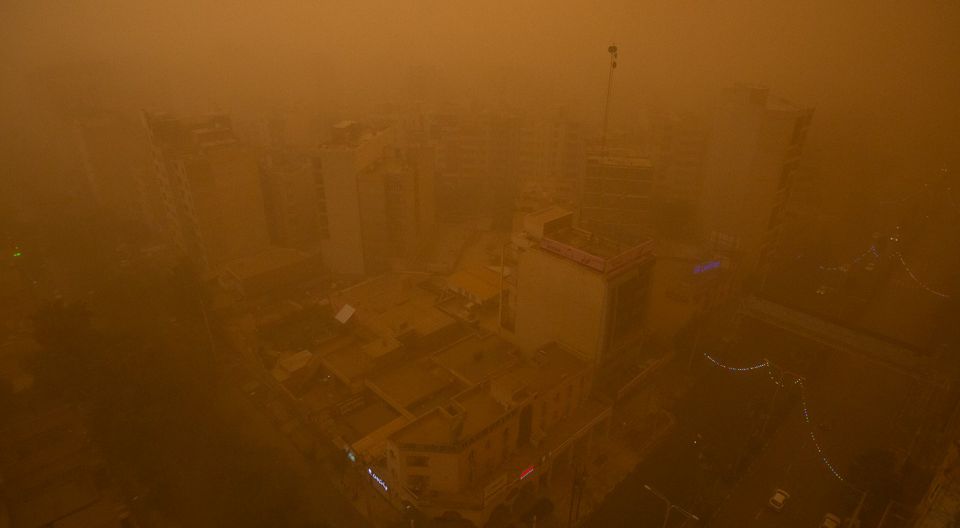
photos: 3-5 - Ahvaz, Danial's hometown, in photographs taken by him photos: 6-9 - Danial's photographs from a project on the heritage of the Islamic State in Iran
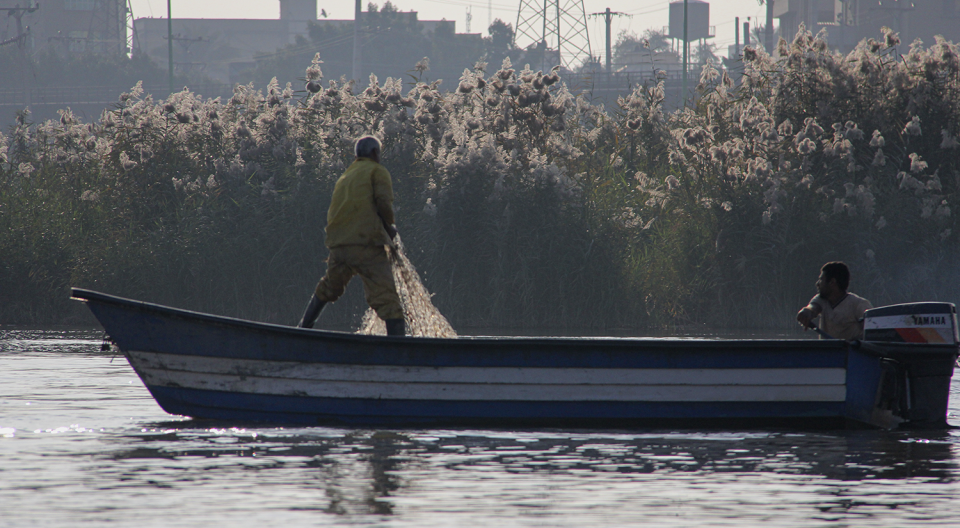
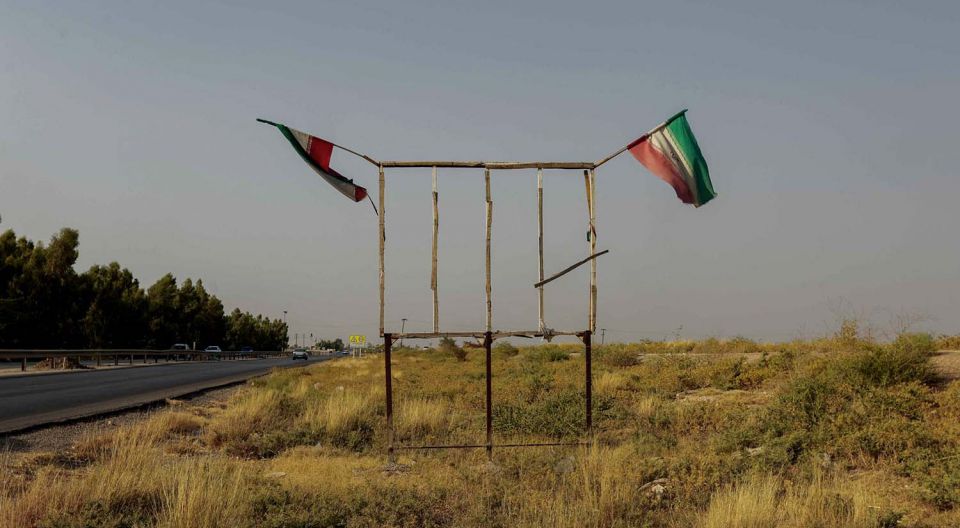
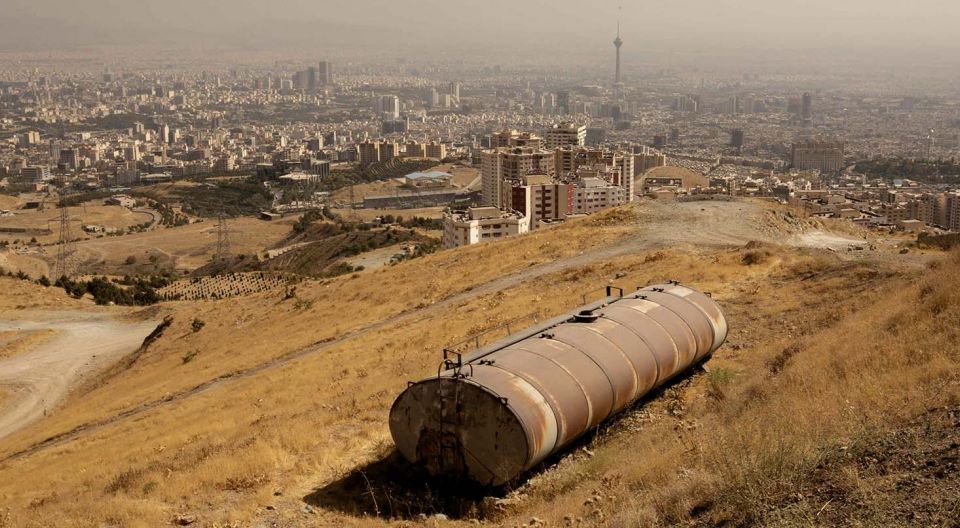
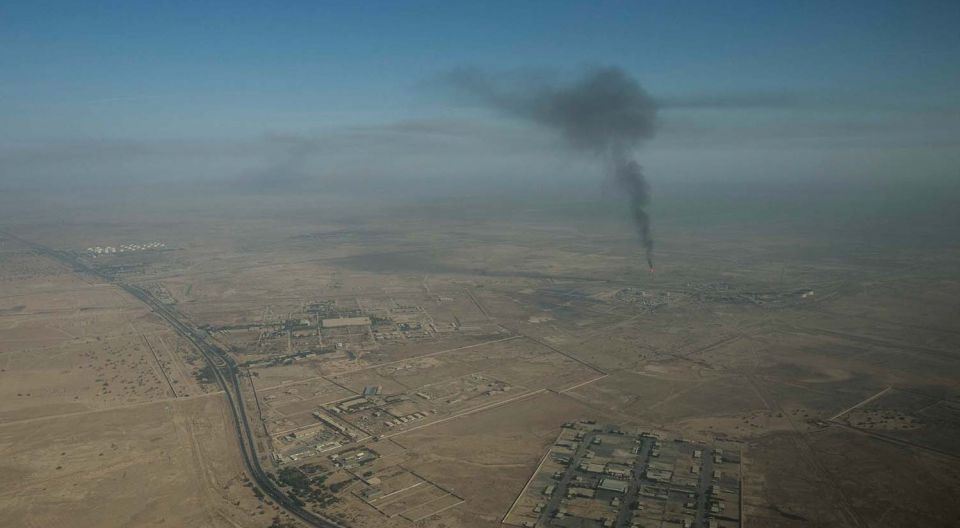
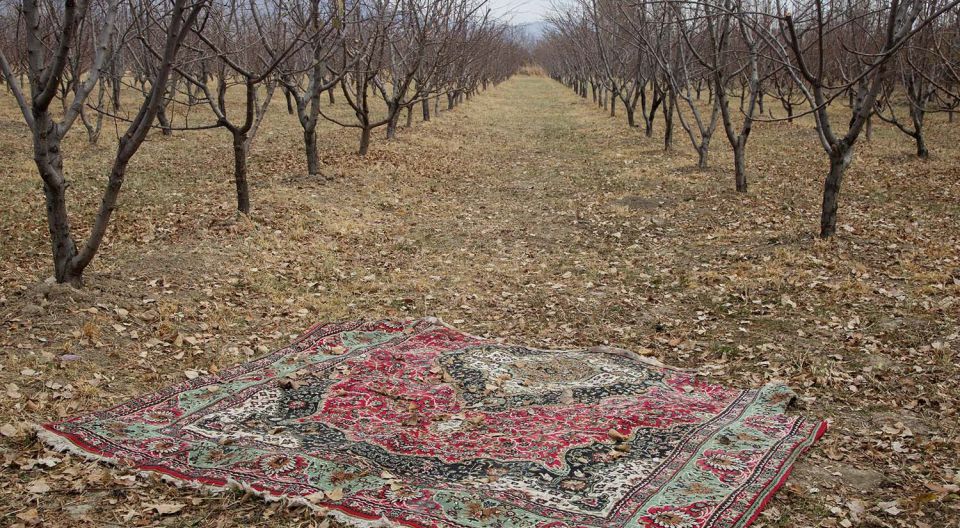
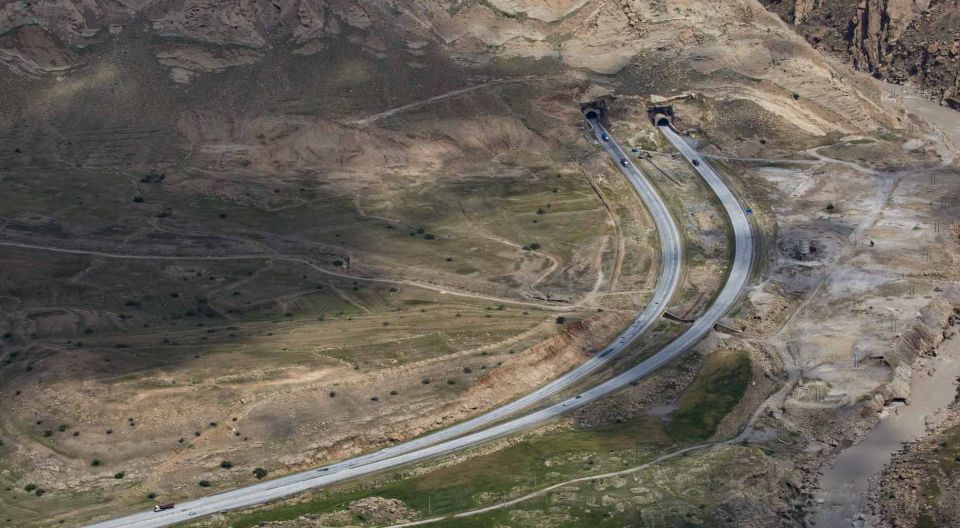
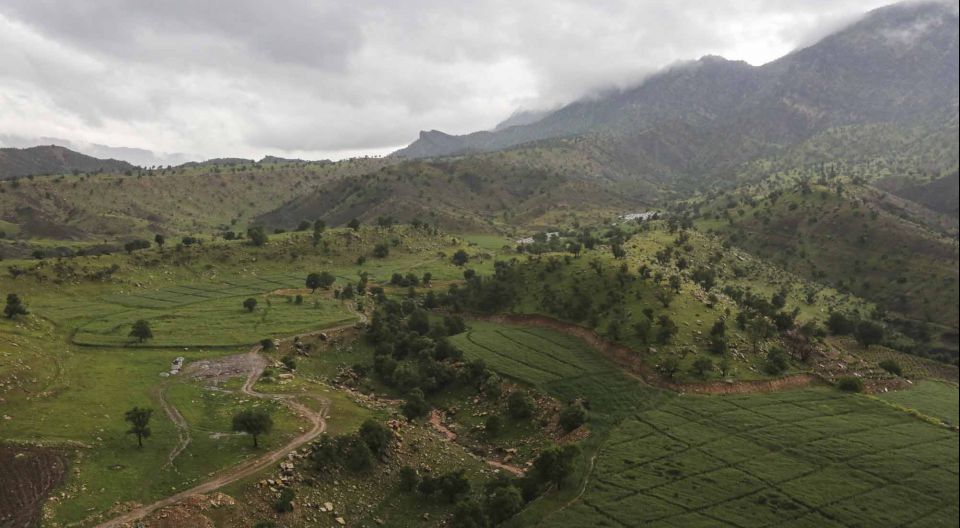
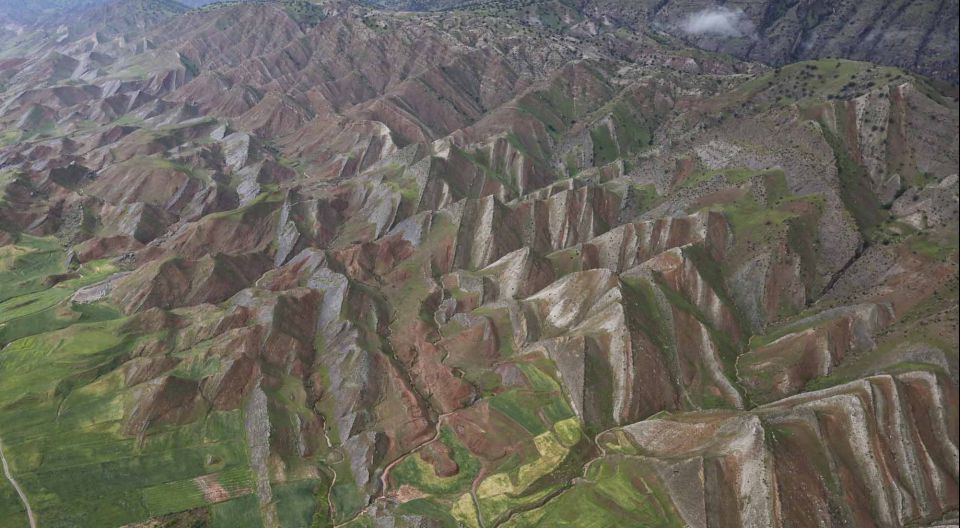
photos: 10-12 - Iranian landscape, taken by Danial
- "I know I can't go back there, I can't go home," Danial Khodaie, a cinematography student from the Iranian city of Ahvaz, tells us. "I always led a double life there—at home, I was myself, I said what I thought; outside, I had to be very careful. In the Islamic system, the penalty for admitting you're not Muslim is death by execution, and I wanted to live. Now, here, I only say what I truly think. Since the last wave of anti-regime protests in Iran, over 37,000 people have died, and thousands have been injured and arrested. Please tell the world about it. I want the world, and especially Poles, to know about it."
Jolanta Karpińska from the school Promotion Office and Marcin Malatyński, the Head for International Relations talked to Danial Khodaie.
- What are people in Iran protesting against?
- Generally speaking, against the regime of Ali Khamenei. Specifically, against the violation of basic human rights, against discrimination against women and minorities, in response to the corruption that is crippling the country, the massive financial crisis, and the poverty that afflicts the people.
- And they say 'Iranians are sleeping on oil.' Is that your curse?
- It's literally true. Iran is a rich country – it has oil, gold, silver, copper. Meanwhile, currently, you can buy 5 kg of beef for the equivalent of what you would earn in a month on minimum wage. When I came to Poland in 2018, one euro cost 60,000 rials. Now it costs over 1,700,000. That's a nearly 2,900% increase in eight years. People live under enormous pressure, and their basic needs are not met. In Balochistan province, residents don't even have IDs, even though there are gold mines in the region. When they protest, they're simply shot. I saw a film of a man buying a glass of oil because he couldn't afford a whole bottle. Cans of tuna in stores are being fitted with anti-theft devices. In such a wealthy country? That's absurd. Iranians say, "We wish we didn't have so much oil." Iran's wealth has become its curse. Massive fraud has led the country to ruin. At the same time, the children of dignitaries live in luxury in Europe and the US openly admit that they live on money stolen from Iranians.
- Iranians are rebelling against the ayatollah, who holds both political and religious power. How does this opposition relate to their religious identity?
- This is where the problem of disinformation arises. Iran is an incredibly diverse country in terms of population, nature, religion, culture, and language. 61% of the population is Persian; the rest are Kurds, Azeris, Arabs, Baluchis, and many other groups. Regarding religion, Iran is not a Muslim country. There is no official data on significant religious diversity, which in a totalitarian country is also a method of controlling society. According to the data available to me, only 30% of the population is Shiite, 22.2% has no specific religious affiliation, 8.8% is atheist, 7.7% is Zoroastrian, and other minorities (estimates according to Cultural Atlas). I will never ask anyone who or what they believe in. It doesn't matter to me. I try to be a good person; the kind of person I would want others to be for me. But in Iran, your religion is crucial. You are subject to the police and religious courts, which control and decide your entire life. If you are not Muslim, there is no place for you there.
- What has been happening on the streets of Iran since the end of December 2025?
- The situation is so dire that there are literally no body bags left in the entire country. The regime is brutally suppressing the protests. Reports have emerged that 5,000 mercenaries from terrorist groups in Iraq, Pakistan, and Lebanon have been brought into the country. They fired live weapons at ordinary civilians, including children. They opened fire indiscriminately, even aiming at windows when people were simply trying to look outside. The security forces used toxic gases, causing protesters to die from asphyxiation. The brutality is horrifying. I saw a film of IRGC (Islamic Revolutionary Guard Corps) members shooting a wounded girl lying on the ground, delivering a killing blow. I read about an underage boy who pretended to be dead in a morgue for three days, lying on a body bag. He waited for his family to find him because he knew that if the police discovered he was alive, they would kill him immediately. The regime has turned this tragedy into a business – families are forced to pay between 1,000 and 4,000 euros to recover the bodies of their loved ones. I heard of a man who, while searching for his own son, found another boy, still alive. He paid 2,000 euros and saved him, abandoning the search for his child. The Internet and telephone services were cut off across the country for 400 hours; to this day, I don't know if my friends are still alive. In prisons, young people are tortured and raped before being executed.
- How have the regime's actions affected you personally?
- In Iran, I worked for a news agency as a photojournalist. You must know, that you can't just take pictures on the street there. Thanks to my press card, I had that opportunity. But I quickly realized I couldn't show everything. What I did was censored, and I often found excuses to avoid fulfilling my superiors' mandates and distorting reality. I was arrested many times for what I did. I've been in Poland for several years, but I am from there —the regime's actions still affect me. For example, Iran has an internal banking system; many times I had no money at all—my parents couldn't send it to me. Now, for two weeks, I haven't had any contact with my loved ones. I don't even know if they're alive.
- How can you support your loved ones while you are here?
- A diaspora of approximately 11 million Iranians lives abroad. They speak various languages. Many of them are true ambassadors. The world doesn't know what's happening in Iran. We need to tell people about it. I'd like you to tell people about it too.
- Let's go back in time. How did you end up here with us at the Film School?
- I was a fan of Krzysztof Kieślowski. I liked Polish cinema, which is very well-known in Iran. Poland and the Lodz Film School were my first choice. In my city in Iran, Ahvaz, we have a district called "Campolo" – historically, it served as a camp for Polish refugees who came to Iran during World War II. Iran welcomed them then and provided care. There are graves of Poles in my city. The histories of our countries, though so distant from each other, are intertwined. Until recently, the last Polish woman to come from the USSR to Iran was still alive – Maria Bajdan. We called her "Madame." I wanted to make a film about this Polish community in Iran. Today, I know that it won't be possible.
- Many filmmakers and artists have left Iran.
- Abbas Kiarostami said that an artist is like a tree; you can uproot it and replant it somewhere else, but it will never thrive as it did in its own land. Many artists were forced to leave the country. Their fates have taken very different turns; many talents have blossomed, and many have perished. Bahran Beizay, a prominent Iranian film director, playwright, and academic, recently died in the United States. In his will he requested that his body not be returned to Iran after his death. He no longer wanted to return there. In recent days, Iranian filmmaker Panah Panahi has been posting an SOS for Iran on his social media. I want to repeat that: SOS for Iran.
- How do you think the situation in Iran will develop?
- The scale of the protests is enormous. There are thousands of victims, but there are also tens of thousands of people arrested. They could be subjected to further executions. I am convinced that as long as this regime remains in power, there will be more victims. The desperation is so great that people who once feared intervention are now asking the US and international organizations for help, even military assistance. It is terribly sad that we are waiting for another country to attack our own so that we can regain our freedom. The Islamic regime isn't Iranian—they don't represent us. They support Russia's aggression against Ukraine and terrorist groups. If this era ends, the world will be a better place for everyone. If you want to support us, read about Iran and talk to us. Knowledge helps us understand how to proceed.
Finally, I will quote a poem by Sa'di, a Persian poet from the 13th century:
"People are members of one another,
Invariably born of the same substance.
When fate strikes one organ with a painful blow,
Others resonate with its mournful voice.
If you are deaf to the misfortunes of others,
You are not fit to be called a man by nature."
Danial, thank you for this interview.
photos: 1 & 2 - Danial's private archive
photos: 3-5 - Ahvaz, Danial's hometown, in photographs taken by him photos: 6-9 - Danial's photographs from a project on the heritage of the Islamic State in Iran
photos: 10-12 - Iranian landscape, taken by Danial