22.
12.
2025.
Department
DOP
DOP
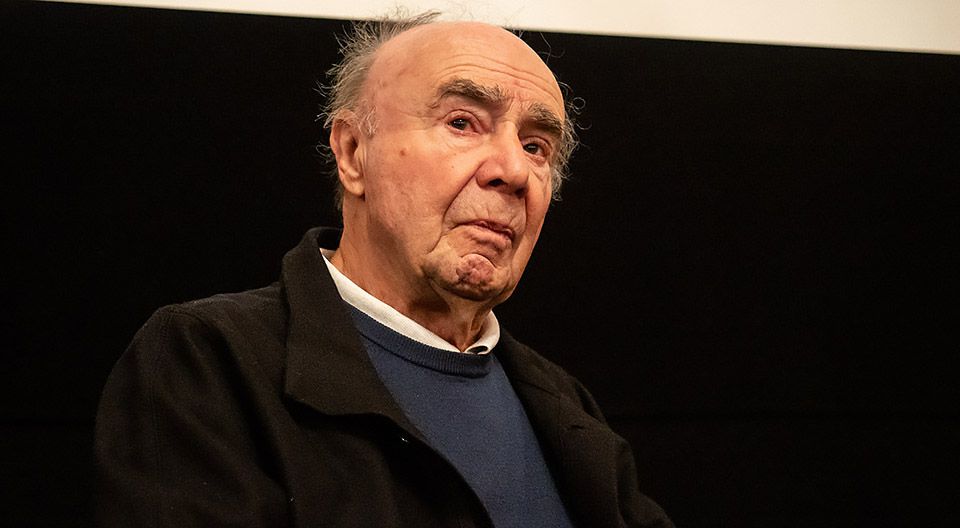
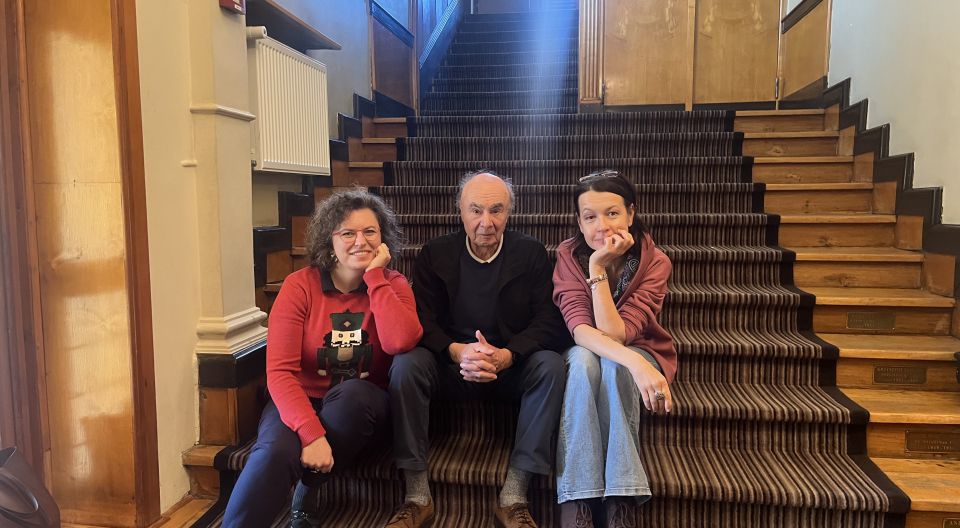
The cinematography graduate and outstanding cinematographer visited the Lodz Film School on 19th, December.
Adam Holender visits his Alma Mater!
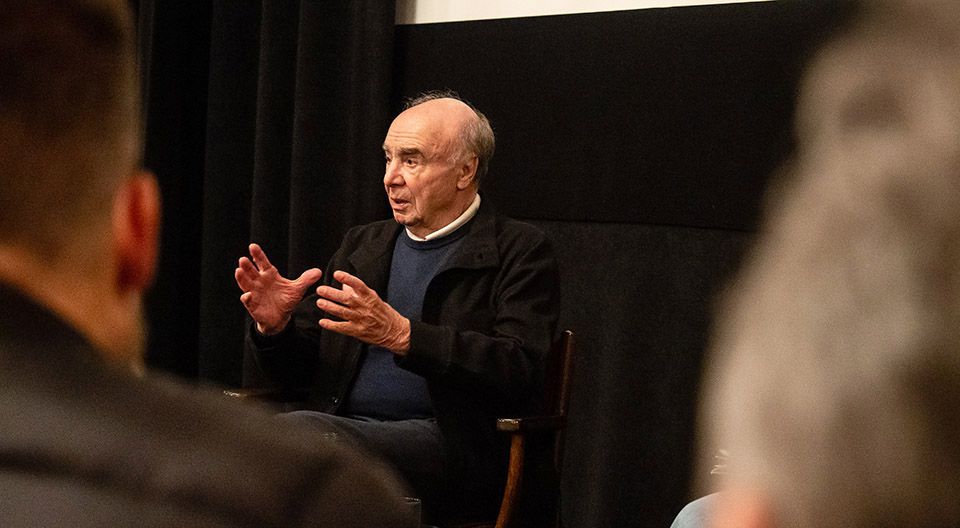
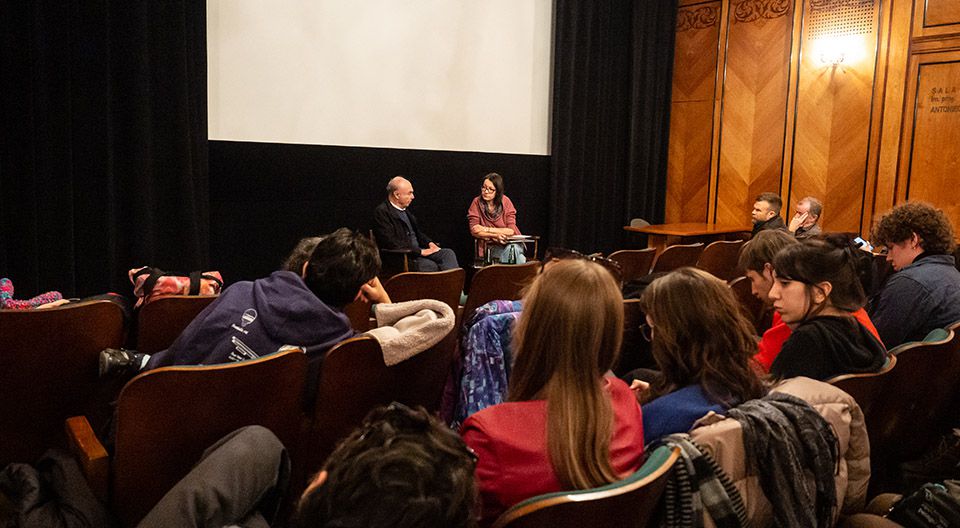
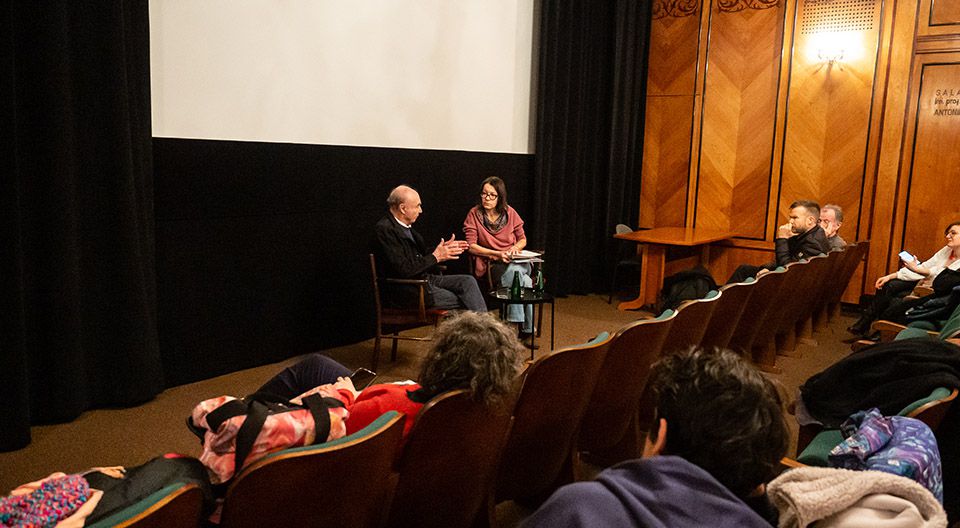
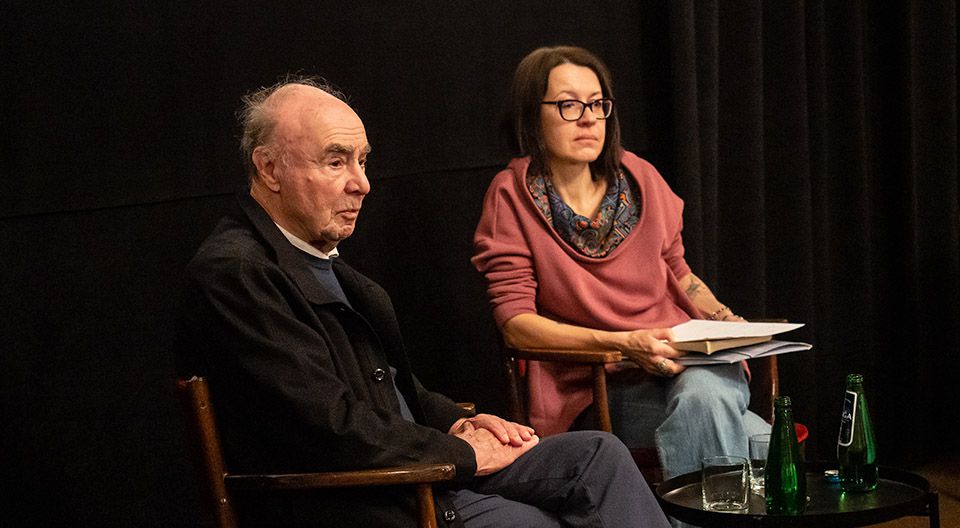
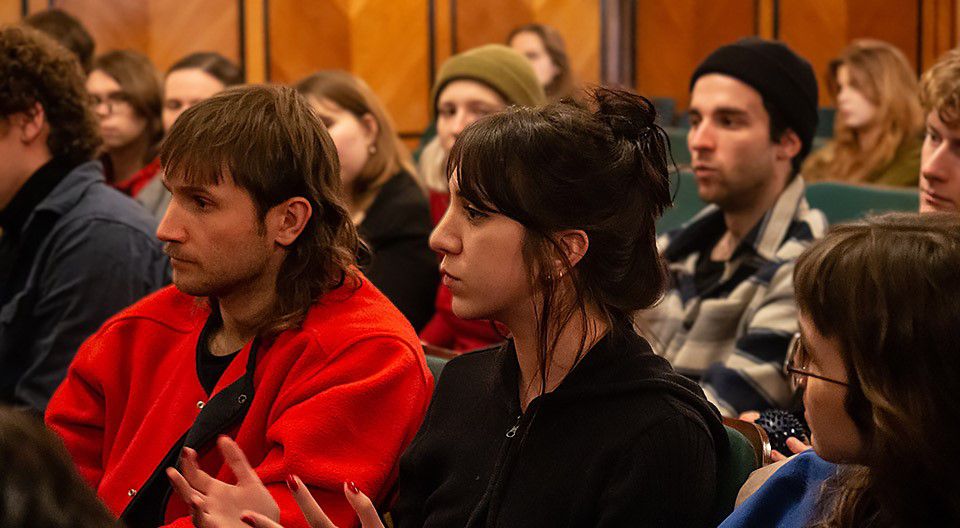
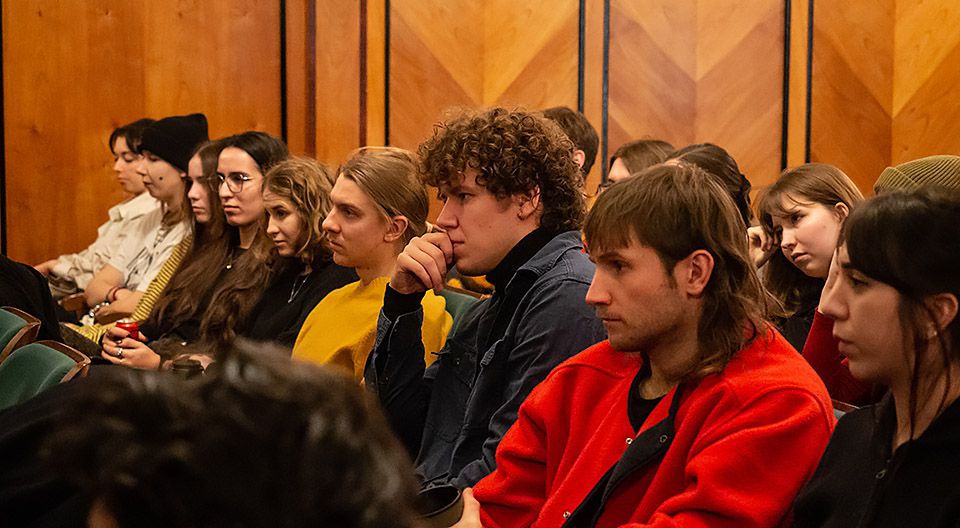
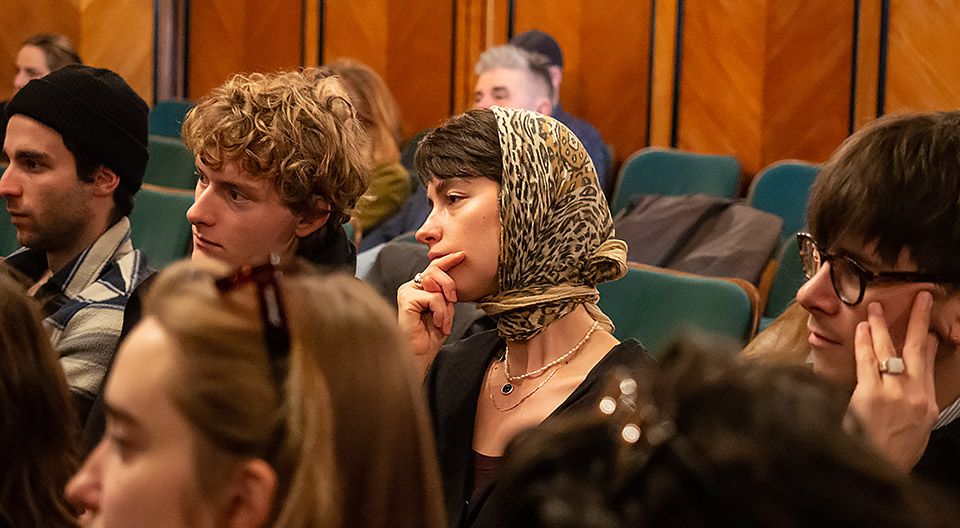
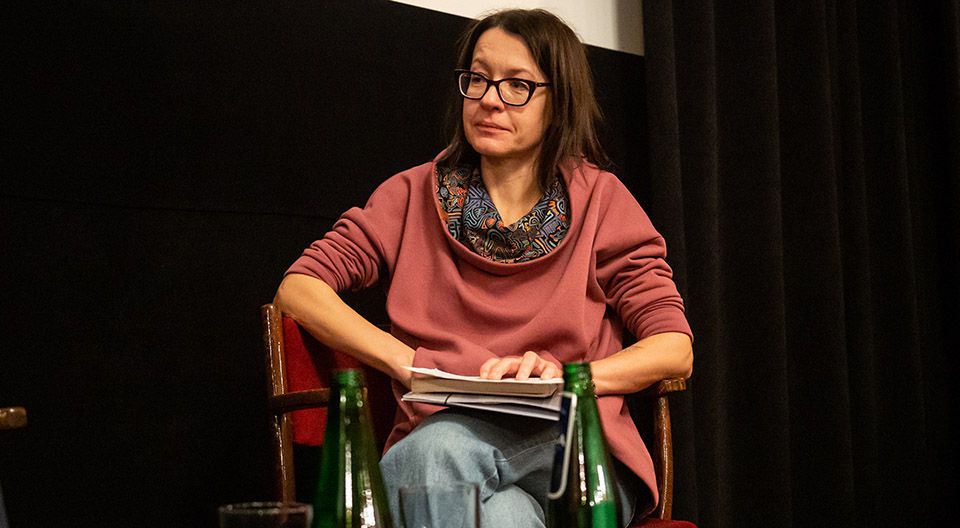
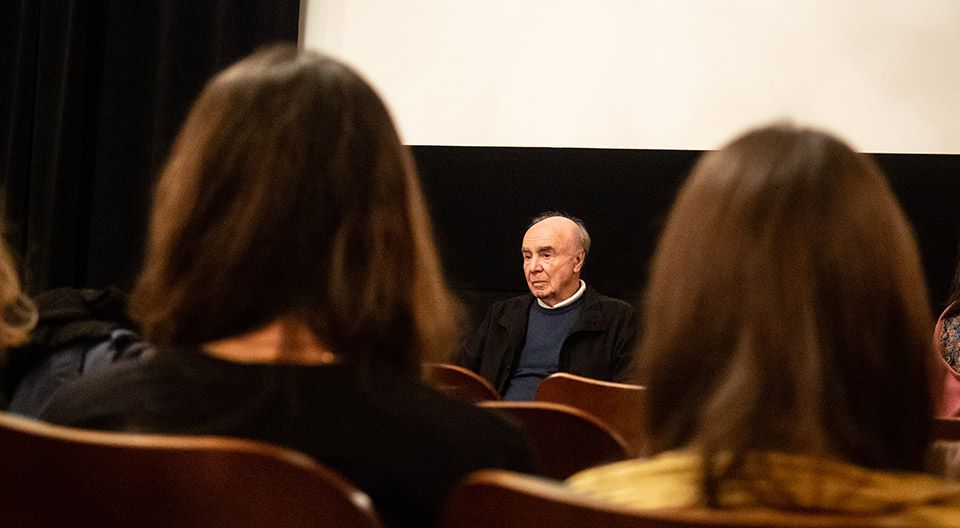
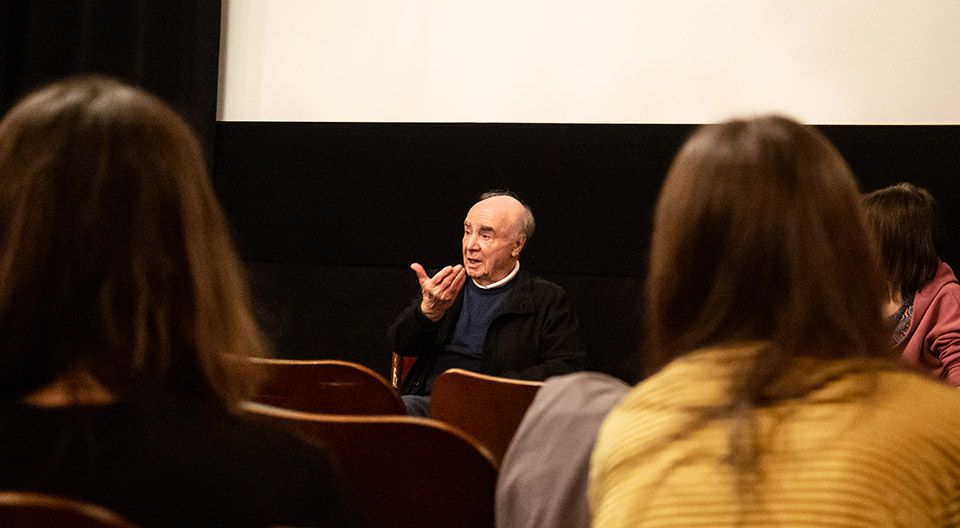
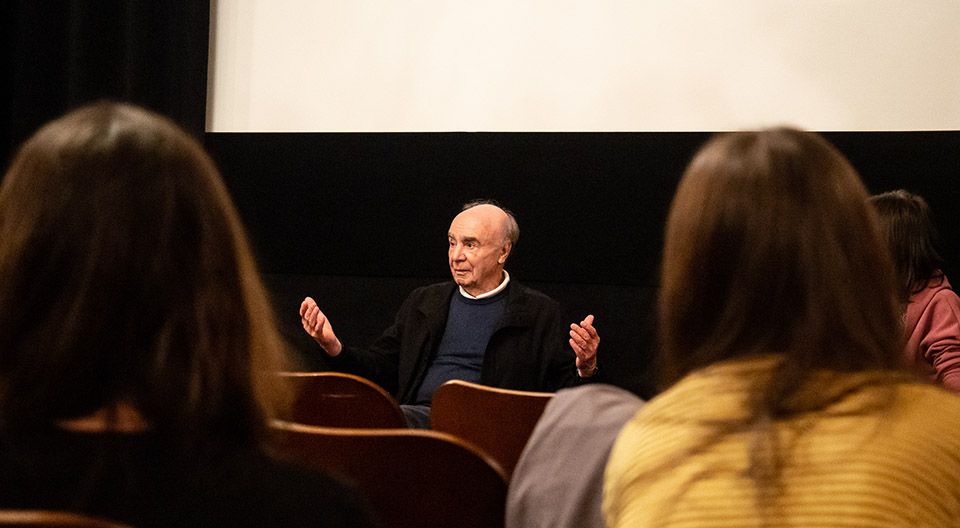
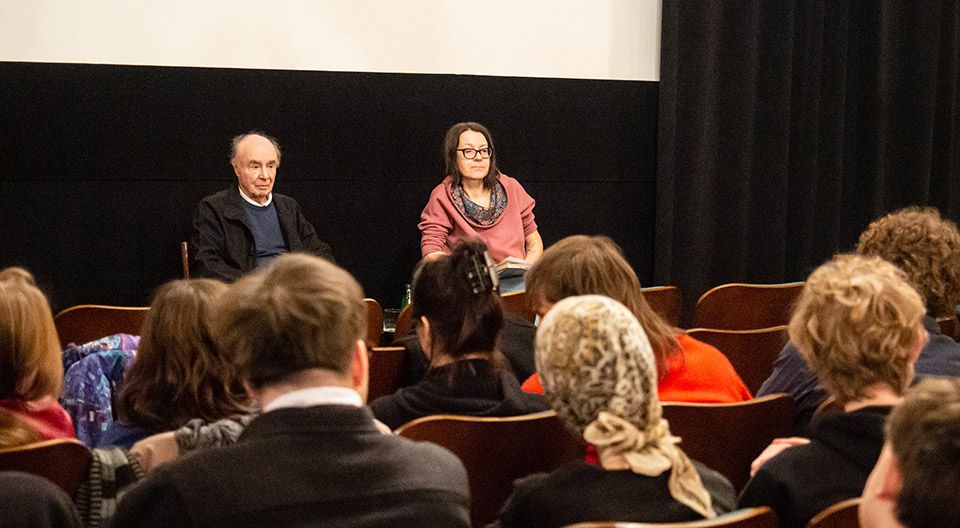
The cinematographer met with the students after the screening of the film "Fresh," on which he worked as DOP. The meeting was led by Dr. Katarzyna Taras. Our guest personally selected the film for the students to watch, from its only available archive print, and this is how he justified his choice:
"I suggested screening this film because you are students. It was Boaz Yakin's first film, which he wrote the screenplay for, and also directed it, so I thought you would identify yourselves with someone entering the professional world by making a small, inexpensive film with sociological significance."
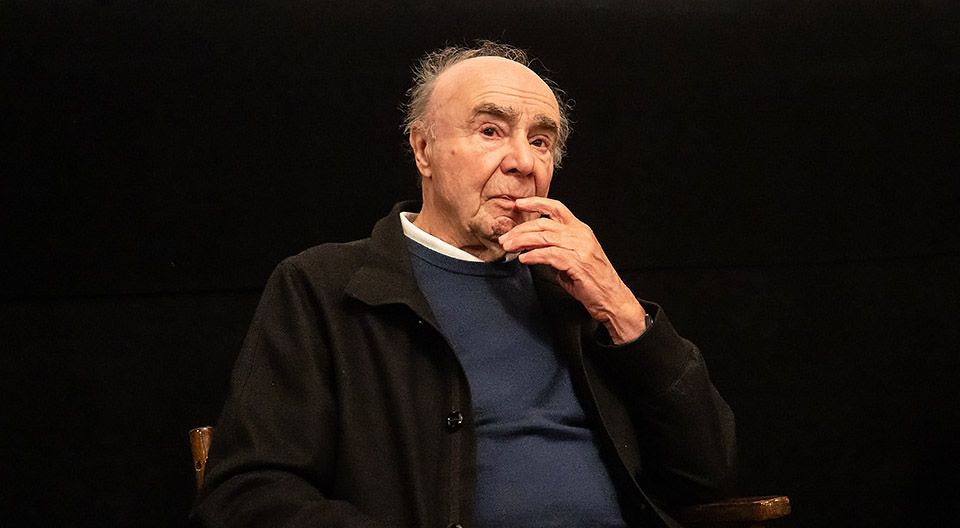
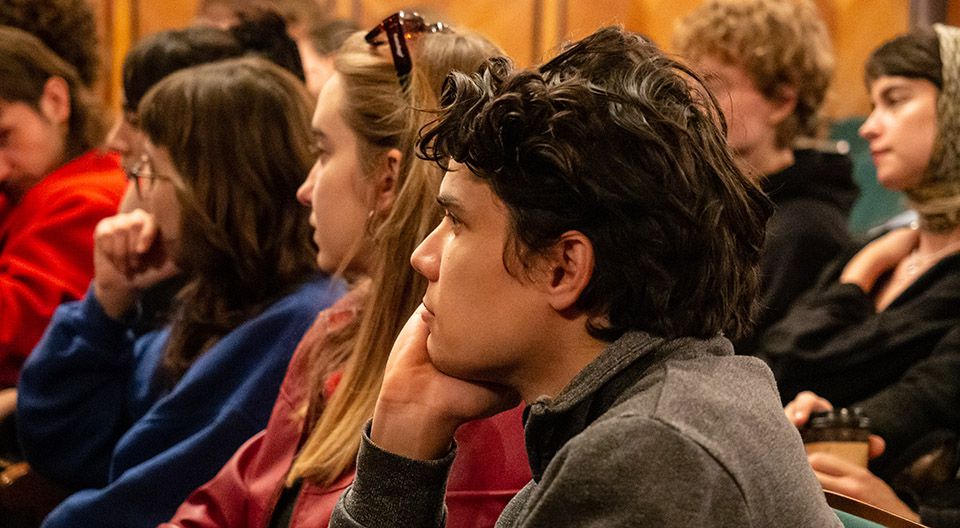
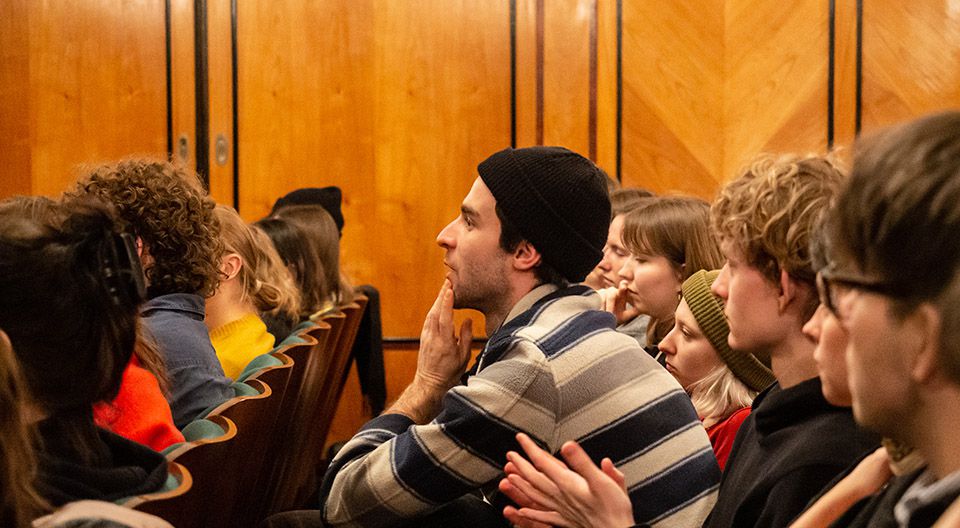
Adam Holender is an outstanding cinematographer who has been working in the United States since the 1960s. Students asked with open curiosity how to make good cinema:
- "I think that 95% of the success of working on any film comes from discussions with co-creators, conducted well in advance of filming. Conducting screen tests, watching films and looking at photographs together. Communicating every possible detail to the crew you're working with. There's nothing worse than walking onto set not knowing what you want to do with a given scene. This doesn't rule out the possibility of improvisation, but if you have a "plan B," any improvisation is easier to accept."
One of the leading topics was his emigration to the United States and the context of Polishness in exile:
"I really liked America. I had to get used to it, I had to learn to function there. I had to accept that I didn't speak English well and needed to catch up, and that I had to work to earn a living. I was curious about everything, I liked seeing and experiencing things I didn't know – the lives of other people in neighbourhoods that the average person living in Manhattan doesn't have access to. (...) I tried to get to know America, which, at least for me, was incredibly open. I'd always liked jazz. I'd take the subway in New York and go north to Harlem, and go to the nightclubs to hear jazz. I was the only white person there. I'd leave the club at 11 at night, and the police would stop and ask me what I was doing there, and if they could give me a ride home. That didn't stop me from making the same trip a few nights later. The people were incredibly friendly, and I think they were also curious about me as a foreigner (...)."
Adam Holender spoke about his studies, not only at the Film School but also in architecture at Kraków University of Technology, which influenced his approach to film space planning. He shared his on-set experiences with students:
"I not only like to operate the camera, but I also like to light while looking through the viewfinder. I often see more on the camera's ground glass than I do with the naked eye, and I take advantage of that. If a camera operator shoots with a handheld camera, they'll always do it differently than you because that's their eye. If you've been working with a camera operator for several years and they understand you very well, have a similar sense of composition, framing, and understanding of the scene, then it's worth trusting them. There are no rules."
The discussion included a whole range of questions about the American avant-garde, about collaboration with individual directors and actors, and other film titles were mentioned: "Drug Addicts" and "Midnight Cowboy".
It was a huge dose of knowledge and valuable experience from an outstanding figure in the art of cinematography - for which we are extremely grateful!
photos: Anna Kazimierczak
The cinematographer met with the students after the screening of the film "Fresh," on which he worked as DOP. The meeting was led by Dr. Katarzyna Taras. Our guest personally selected the film for the students to watch, from its only available archive print, and this is how he justified his choice:
"I suggested screening this film because you are students. It was Boaz Yakin's first film, which he wrote the screenplay for, and also directed it, so I thought you would identify yourselves with someone entering the professional world by making a small, inexpensive film with sociological significance."
Adam Holender is an outstanding cinematographer who has been working in the United States since the 1960s. Students asked with open curiosity how to make good cinema:
- "I think that 95% of the success of working on any film comes from discussions with co-creators, conducted well in advance of filming. Conducting screen tests, watching films and looking at photographs together. Communicating every possible detail to the crew you're working with. There's nothing worse than walking onto set not knowing what you want to do with a given scene. This doesn't rule out the possibility of improvisation, but if you have a "plan B," any improvisation is easier to accept."
One of the leading topics was his emigration to the United States and the context of Polishness in exile:
"I really liked America. I had to get used to it, I had to learn to function there. I had to accept that I didn't speak English well and needed to catch up, and that I had to work to earn a living. I was curious about everything, I liked seeing and experiencing things I didn't know – the lives of other people in neighbourhoods that the average person living in Manhattan doesn't have access to. (...) I tried to get to know America, which, at least for me, was incredibly open. I'd always liked jazz. I'd take the subway in New York and go north to Harlem, and go to the nightclubs to hear jazz. I was the only white person there. I'd leave the club at 11 at night, and the police would stop and ask me what I was doing there, and if they could give me a ride home. That didn't stop me from making the same trip a few nights later. The people were incredibly friendly, and I think they were also curious about me as a foreigner (...)."
Adam Holender spoke about his studies, not only at the Film School but also in architecture at Kraków University of Technology, which influenced his approach to film space planning. He shared his on-set experiences with students:
"I not only like to operate the camera, but I also like to light while looking through the viewfinder. I often see more on the camera's ground glass than I do with the naked eye, and I take advantage of that. If a camera operator shoots with a handheld camera, they'll always do it differently than you because that's their eye. If you've been working with a camera operator for several years and they understand you very well, have a similar sense of composition, framing, and understanding of the scene, then it's worth trusting them. There are no rules."
The discussion included a whole range of questions about the American avant-garde, about collaboration with individual directors and actors, and other film titles were mentioned: "Drug Addicts" and "Midnight Cowboy".
It was a huge dose of knowledge and valuable experience from an outstanding figure in the art of cinematography - for which we are extremely grateful!
photos: Anna Kazimierczak