14.
10.
2025.
Department
DOP
DOP
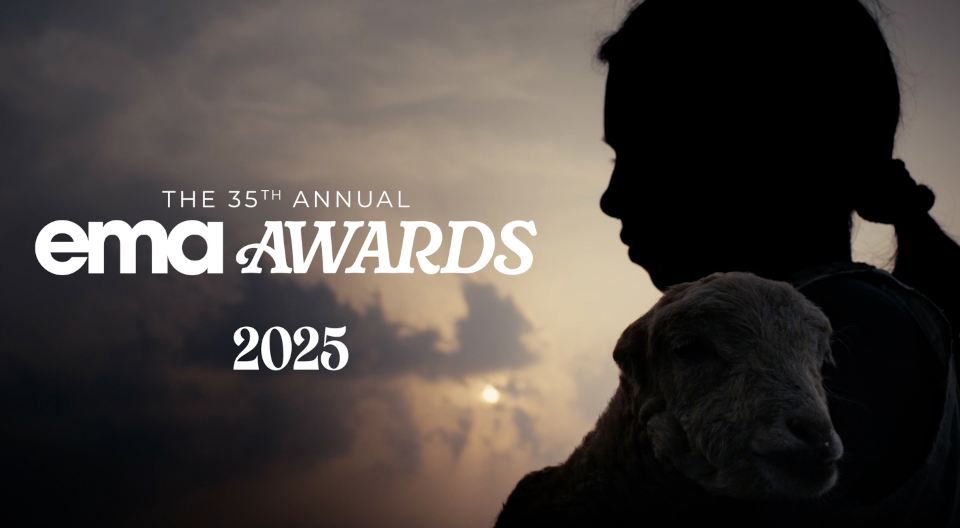
The film NISHI, directed by G. Rabbani and M. Zahirula Islam, with cinematography by Natalia Pośnik, won the Environmental Media Award, an award in Los Angeles popularly called the "Green Oscar."
The film NISHI won the Student Film category as the first ever film from Bangladesh.
Natalia Pośnik, our cinematography student, was responsible for the visual aspect, post-production and the final shape of the film.
Info about all the winners: https://www.hollywoodreporter.com/news/general-news/wild-robot-daily-show-winners-environmental-medi...
* E M A *
The Environmental Media Awards, commonly known as the "Green Oscars", are highly prestigious film awards given to films which address ecological issues in an artistic, conscious and authentic way.
For 35 years, they have been a platform for the meeting of film art with the idea of sustainable development and pro-ecological practices in the entertainment industry.
This year's 35th EMA edition took place on October 11, 2025, at the Radford Studio Center in Los Angeles.
* N I S H I *
NISHI, directed by Golam Rabbani and Mohammad Zahirul Islam (Kochi), was created during the Eco Film Lab programme in Bangladesh organized by the International Academy of Film and Media (IAFM). The workshop was facilitated by producer Bibesh Roy.
Natalia Pośnik participated in the Eco Film Lab workshop as a cinematographer. You can read more about her stay in Bangladesh in our previous news: filmschool.lodz.pl/news
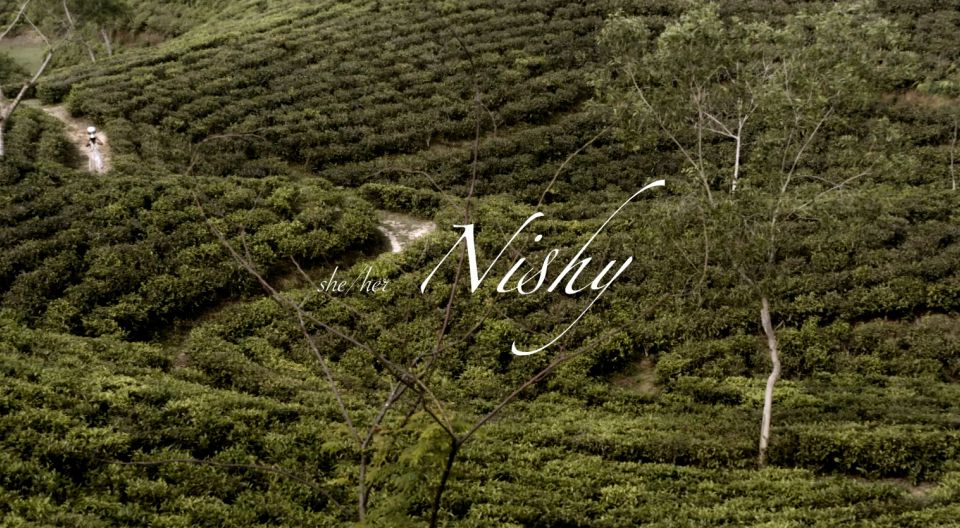
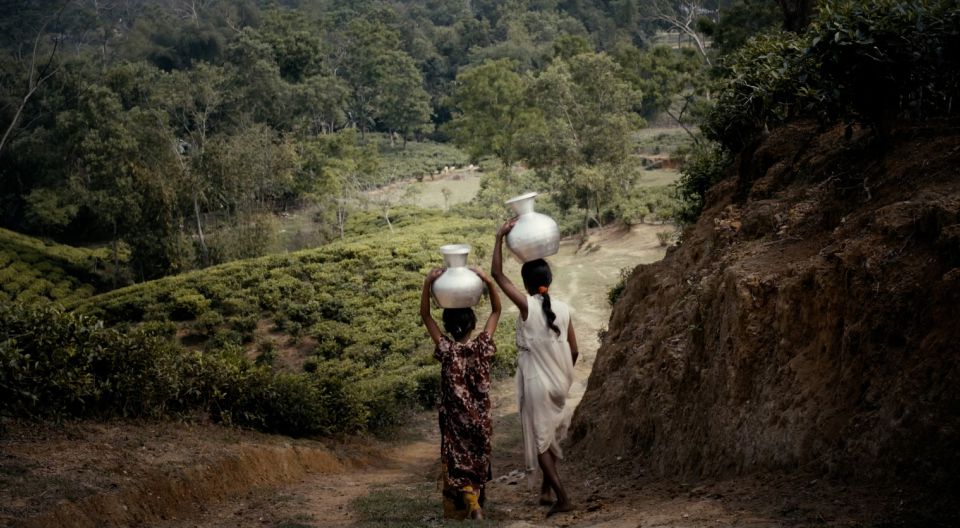
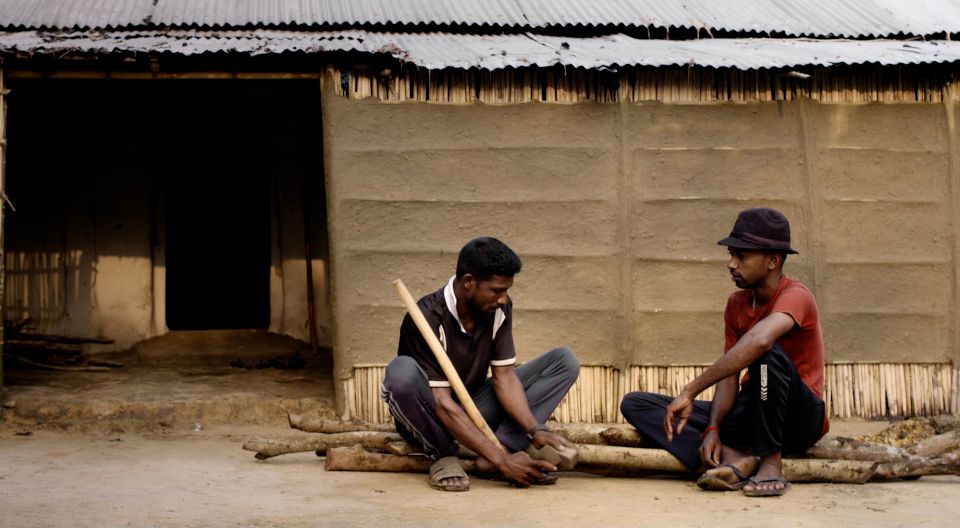
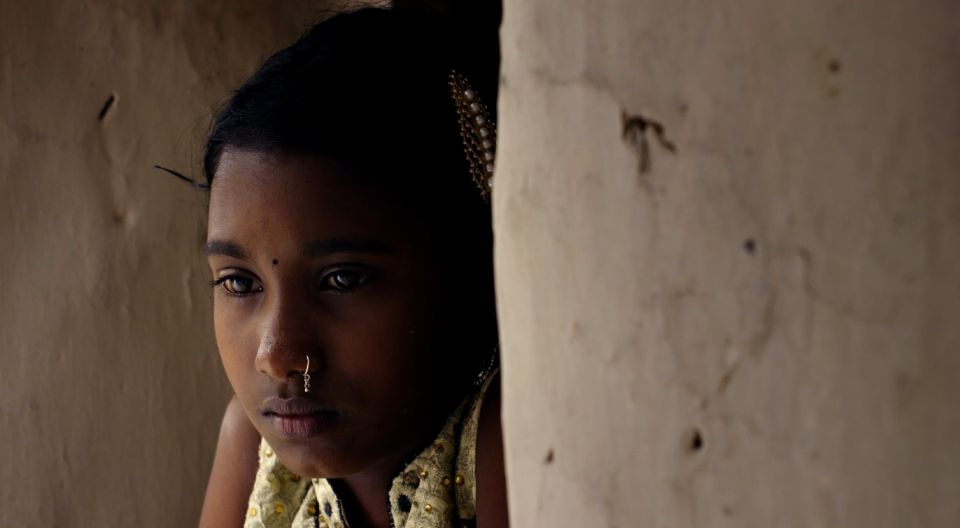
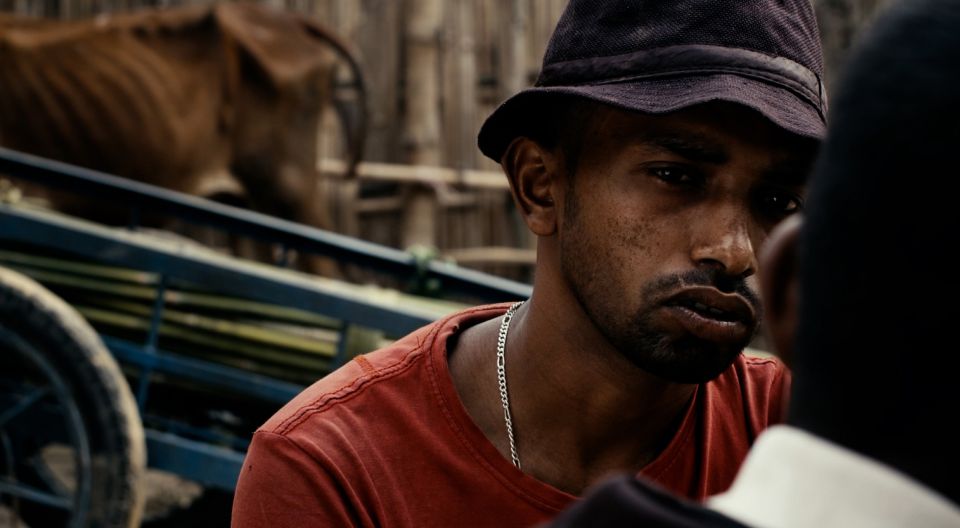
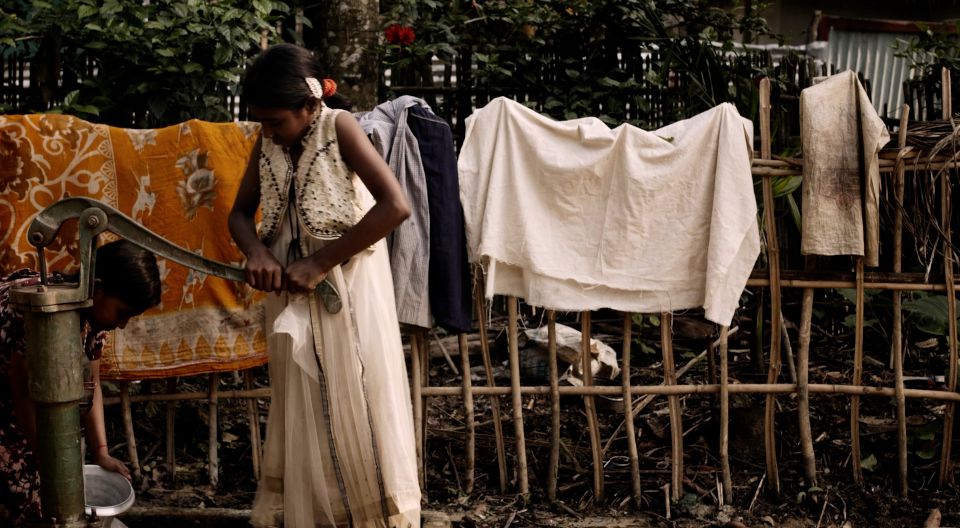
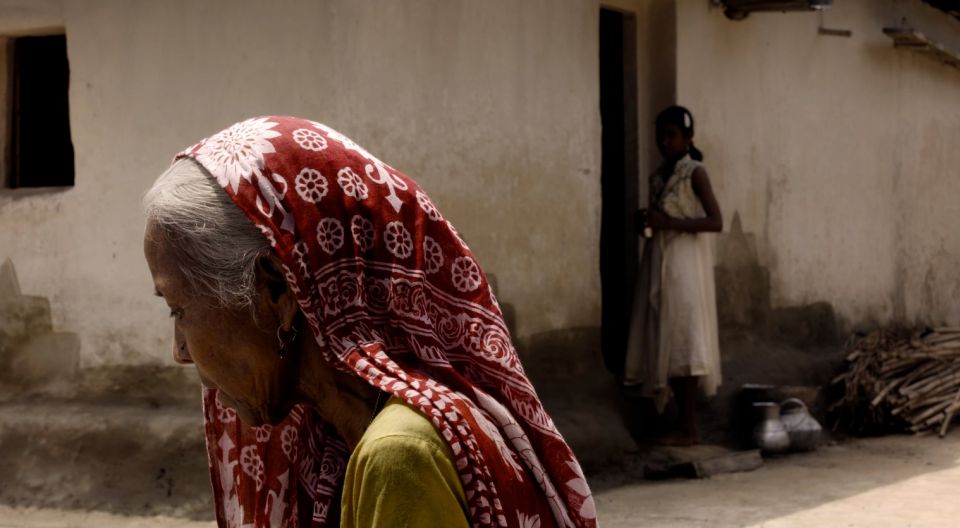
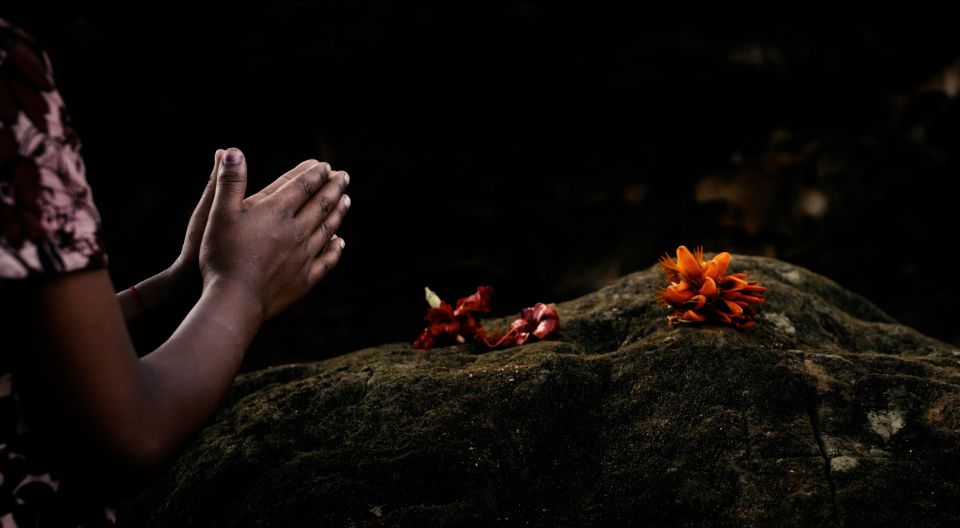
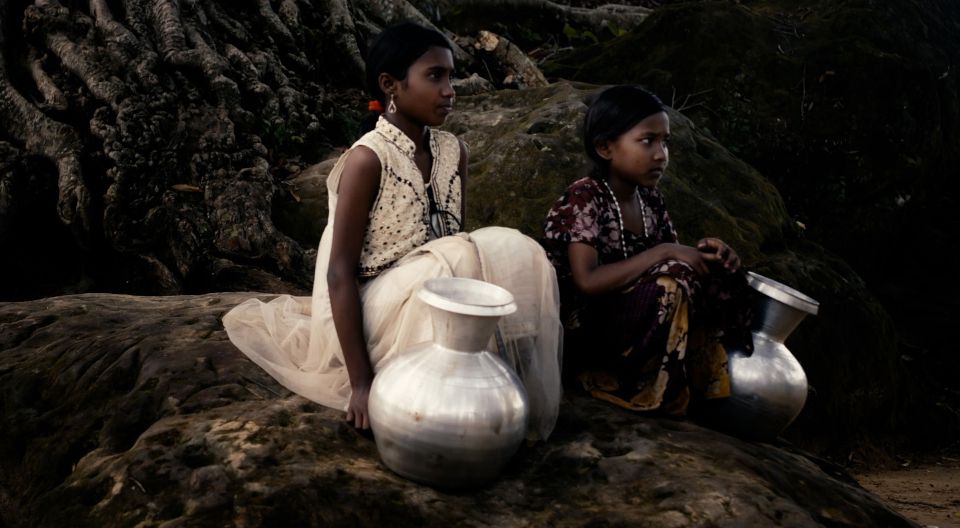
NISHI tells the story of a tea garden worker's daughter whose education is interrupted by a water crisis. A timber merchant, Lalchan, attempts to marry the underage girl under the pretext of installing a well in her home. This transaction, cloaked in the guise of kindness and caring, conceals a social drama – a clash of patriarchy, poverty, and ecological crisis, which together create a vicious cycle of abuse and dependency.
The film’s post-production took place in Poland, with the participation of staff and students of the Lodz Film School. The film was edited by an editing student, Wiktoria Szczepanek, and Bogdan Klat, a sound engineer and long-time employee of the school, was in charge of sound editing.
* A HEART OPEN TO THE UNKNOWN *
Here is an interview with Natalia Pośnik conducted by Jolanta Karpińska from the PR Office.
JK: What does this award mean to you? What emotions does it evoke?
NP: This award brings me immense emotion, joy, but also a moment of pause and reflection. I remember leaving for Bangladesh—with a backpack, a camera, and a heart open to the unknown. I was ready to learn from the world, to let it guide me. I felt this could be my return to the roots—to simplicity, intuition, and a pure perspective. At that time, I was immersed in studying, technology, and searching for means of expression. And at the same time, I felt I had to take a step aside to hear myself— discover my own eye, my own rhythm.
This award is confirmation to me that trusting yourself and the nature of the creative process makes sense. It's proof that you don't have to prove anything to the world—you just have to do your thing honestly and with love, and the world will finally recognize that faith—recognize your talent. I watched my friends' successes, dreaming of finding my own voice as well. Now I feel like I did it on my own terms.
I've always loved space—in film, in image, in emotions. I still remember my friends from Film School joking that "nobody talks about space in film as much as Natalia." It was funny, but also very encouraging, because it's true. For me, space isn't just a backdrop—it's an inseparable element of a character's inner self, the breath of their emotions. It reflects their state of mind, tension, and loneliness. Thanks to space, I can tell a story about a person in a subtle, wordless way.
I'm thrilled that not only was my contribution as a cinematographer recognized, but also my full supervision over post-production. I feel immense gratitude to the people who have been with me from the beginning – my professors, friends, and colleagues. It was thanks to them that I was able to take this bold step into the unknown. I also feel that this distinction is a kind of dialogue with the tradition of the Polish Film School – its spirit of poetry, light, and truth of imagery. I realized how deeply this heritage resonates within me.
Attending the "Green Oscars" and winning an award is like hopping on a train without knowing where it will take you. I hopped on heading to Bangladesh – and it turned out that this journey changed me not only as a cinematographer but also as a person. Today, our film is receiving attention from major international media outlets like the Hollywood Reporter and Variety.com, which I still find hard to believe.
For me, this award isn't the end – it's the beginning. Proof that it's worth dreaming without compromise.
JK: What do you think contributed to the success of the film NISHI?
NP: From the first day of working on NISHI, I knew we were doing something extraordinary. The film possessed a silence and space often missing in today's cinema. It didn't try to prove anything—rather, it invited the viewer into contemplation.
Many factors contributed to NISHI's success. Firstly, its authenticity. It's a film that grew from real experience, from observing the world, people, and the rhythm of nature. Secondly, its formal courage. We allowed ourselves to experiment, to use long takes, to breathe. While others shorten their shots, we allowed the scenes to grow. For me, this film doesn't tell a direct story. It's a very metaphorical tale, steeped in magical realism, in which nature is an equal protagonist – a silent witness and participant in human fate. I think this is where the true strength of this film lies, something that has distinguished us internationally.
I feel that in today's world, when environmental issues are often presented through visual aggression, fear, and catastrophic images, we decided to take a different path. In NISHI, we show the effects of changes in nature through the fate of a young girl. It's through her internal drama that we feel loss, longing, and the inevitability of change. The viewer doesn't observe the tragedy from the outside—they empathize with it. This makes the story intimate, subtle, and deeply human, and the environmental message stems from emotion, not declaration.
I think it's the empathy instead of warning, the poetry instead of moralizing, which makes the film resonate so strongly with audiences.
I draw from arthouse cinema, the tradition of European cinema, but also from the sensitivity I acquired at the Lodz Film School – a place which teaches not only craft but also the courage to think visually. There, I learned that a cinematographer not only "records" but also co-creates emotion.
The Green Film School Alliance, which supported our production, was also of great importance. NISHI was made in the spirit of environmental awareness—not just as a theme, but as a practice. We prioritized sustainable production, a minimal environmental footprint, and ethical working practices on set. Respect for nature was reflected in every stage of the work: the choice of equipment, the lighting, and the set organization. This was a truly conscious production—respecting the environment and people.
I think it was this coherence between the message and the process that created the authenticity which the viewer feels under the skin.
JK: A truly international crew worked on the film. Who would you particularly like to mention?
NP: I was the only person from Poland there. I'd like to thank all the Eco Film Lab participants, producer Bibesh Roy, and the entire residency team, who made my daily life full of extraordinary experiences and encounters. Thanks to them, every day I learned to appreciate life and see the world from a new perspective.
I feel the connection between me and the directors, Golam Rabbani and Mohammad Zahirul Islam (Kochi), was something special. I had the pleasure of participating in the screenplay development process and fell in love with its poetic style from the very first reading. Through conversations and shared observations, we discovered that we spoke the same visual language, and our sensibilities were found between the words. This trust also carried over into post-production, which took place entirely in Poland.
Post-production of the film took place at the Lodz Film School, with technical and professional support from its staff and students. The entire process, including editing, sound design, and colour grading, was under my artistic supervision.
During the editing, I collaborated with Wiktoria Szczepanek, a student at the Polish National Film School (PWSFTviT), who brought immense sensitivity and intuition to the project. Bogdan Klat was in charge of the sound design, who with extraordinary sensitivity created in post-production, a dramaturgy of space and atmosphere, building the film's emotional layer almost from scratch.
It was they, along with me, who co-created the final form of "Nishi," giving it depth and a new dimension of dramatic metaphor. Collaborating with these artists elevated the film to a higher level and, for me, was one of the most inspiring professional experiences. I am incredibly grateful to have been able to go through this process with people who poured their heart, sensitivity, and complete trust into this project.
JK: How will this award impact your work as a filmmaker? Would you like to continue working so closely with nature?
NP: This award is a huge honour for me and a testament to the value of all the experience I gained while making NISHI. At the same time, I feel that it's not the award itself, but the entire experience of working on the film—the journey, the openness to people, the closeness of the characters, and the connection with nature—that shapes my work today and gives it a real dimension.
I also know that to grow, sometimes you have to step outside your comfort zone, travel, and listen to others so you can process and transform those observations into new, better stories. I'd like to continue drawing as much as possible from nature and following its rhythms, just as I did in Bangladesh.
I'm currently channeling these experiences into my own film, "Siostry Pętli," which won an award in the TVN XR competition and is in post-production. It's a science fiction project, deeply rooted in nature, telling a story through space and emotion. I believe my experience in Bangladesh gave me the courage to explore the power of nature in other media as well.
I want this award to show my passion for working with space and image – it is in them that I express the emotions and sensitivity which are at the heart of my work.
C O N G R A T U L A T I O N S !!!
Natalia Pośnik, our cinematography student, was responsible for the visual aspect, post-production and the final shape of the film.
Info about all the winners: https://www.hollywoodreporter.com/news/general-news/wild-robot-daily-show-winners-environmental-medi...
* E M A *
The Environmental Media Awards, commonly known as the "Green Oscars", are highly prestigious film awards given to films which address ecological issues in an artistic, conscious and authentic way.
For 35 years, they have been a platform for the meeting of film art with the idea of sustainable development and pro-ecological practices in the entertainment industry.
This year's 35th EMA edition took place on October 11, 2025, at the Radford Studio Center in Los Angeles.
* N I S H I *
NISHI, directed by Golam Rabbani and Mohammad Zahirul Islam (Kochi), was created during the Eco Film Lab programme in Bangladesh organized by the International Academy of Film and Media (IAFM). The workshop was facilitated by producer Bibesh Roy.
Natalia Pośnik participated in the Eco Film Lab workshop as a cinematographer. You can read more about her stay in Bangladesh in our previous news: filmschool.lodz.pl/news
NISHI tells the story of a tea garden worker's daughter whose education is interrupted by a water crisis. A timber merchant, Lalchan, attempts to marry the underage girl under the pretext of installing a well in her home. This transaction, cloaked in the guise of kindness and caring, conceals a social drama – a clash of patriarchy, poverty, and ecological crisis, which together create a vicious cycle of abuse and dependency.
The film’s post-production took place in Poland, with the participation of staff and students of the Lodz Film School. The film was edited by an editing student, Wiktoria Szczepanek, and Bogdan Klat, a sound engineer and long-time employee of the school, was in charge of sound editing.
* A HEART OPEN TO THE UNKNOWN *
Here is an interview with Natalia Pośnik conducted by Jolanta Karpińska from the PR Office.
JK: What does this award mean to you? What emotions does it evoke?
NP: This award brings me immense emotion, joy, but also a moment of pause and reflection. I remember leaving for Bangladesh—with a backpack, a camera, and a heart open to the unknown. I was ready to learn from the world, to let it guide me. I felt this could be my return to the roots—to simplicity, intuition, and a pure perspective. At that time, I was immersed in studying, technology, and searching for means of expression. And at the same time, I felt I had to take a step aside to hear myself— discover my own eye, my own rhythm.
This award is confirmation to me that trusting yourself and the nature of the creative process makes sense. It's proof that you don't have to prove anything to the world—you just have to do your thing honestly and with love, and the world will finally recognize that faith—recognize your talent. I watched my friends' successes, dreaming of finding my own voice as well. Now I feel like I did it on my own terms.
I've always loved space—in film, in image, in emotions. I still remember my friends from Film School joking that "nobody talks about space in film as much as Natalia." It was funny, but also very encouraging, because it's true. For me, space isn't just a backdrop—it's an inseparable element of a character's inner self, the breath of their emotions. It reflects their state of mind, tension, and loneliness. Thanks to space, I can tell a story about a person in a subtle, wordless way.
I'm thrilled that not only was my contribution as a cinematographer recognized, but also my full supervision over post-production. I feel immense gratitude to the people who have been with me from the beginning – my professors, friends, and colleagues. It was thanks to them that I was able to take this bold step into the unknown. I also feel that this distinction is a kind of dialogue with the tradition of the Polish Film School – its spirit of poetry, light, and truth of imagery. I realized how deeply this heritage resonates within me.
Attending the "Green Oscars" and winning an award is like hopping on a train without knowing where it will take you. I hopped on heading to Bangladesh – and it turned out that this journey changed me not only as a cinematographer but also as a person. Today, our film is receiving attention from major international media outlets like the Hollywood Reporter and Variety.com, which I still find hard to believe.
For me, this award isn't the end – it's the beginning. Proof that it's worth dreaming without compromise.
JK: What do you think contributed to the success of the film NISHI?
NP: From the first day of working on NISHI, I knew we were doing something extraordinary. The film possessed a silence and space often missing in today's cinema. It didn't try to prove anything—rather, it invited the viewer into contemplation.
Many factors contributed to NISHI's success. Firstly, its authenticity. It's a film that grew from real experience, from observing the world, people, and the rhythm of nature. Secondly, its formal courage. We allowed ourselves to experiment, to use long takes, to breathe. While others shorten their shots, we allowed the scenes to grow. For me, this film doesn't tell a direct story. It's a very metaphorical tale, steeped in magical realism, in which nature is an equal protagonist – a silent witness and participant in human fate. I think this is where the true strength of this film lies, something that has distinguished us internationally.
I feel that in today's world, when environmental issues are often presented through visual aggression, fear, and catastrophic images, we decided to take a different path. In NISHI, we show the effects of changes in nature through the fate of a young girl. It's through her internal drama that we feel loss, longing, and the inevitability of change. The viewer doesn't observe the tragedy from the outside—they empathize with it. This makes the story intimate, subtle, and deeply human, and the environmental message stems from emotion, not declaration.
I think it's the empathy instead of warning, the poetry instead of moralizing, which makes the film resonate so strongly with audiences.
I draw from arthouse cinema, the tradition of European cinema, but also from the sensitivity I acquired at the Lodz Film School – a place which teaches not only craft but also the courage to think visually. There, I learned that a cinematographer not only "records" but also co-creates emotion.
The Green Film School Alliance, which supported our production, was also of great importance. NISHI was made in the spirit of environmental awareness—not just as a theme, but as a practice. We prioritized sustainable production, a minimal environmental footprint, and ethical working practices on set. Respect for nature was reflected in every stage of the work: the choice of equipment, the lighting, and the set organization. This was a truly conscious production—respecting the environment and people.
I think it was this coherence between the message and the process that created the authenticity which the viewer feels under the skin.
JK: A truly international crew worked on the film. Who would you particularly like to mention?
NP: I was the only person from Poland there. I'd like to thank all the Eco Film Lab participants, producer Bibesh Roy, and the entire residency team, who made my daily life full of extraordinary experiences and encounters. Thanks to them, every day I learned to appreciate life and see the world from a new perspective.
I feel the connection between me and the directors, Golam Rabbani and Mohammad Zahirul Islam (Kochi), was something special. I had the pleasure of participating in the screenplay development process and fell in love with its poetic style from the very first reading. Through conversations and shared observations, we discovered that we spoke the same visual language, and our sensibilities were found between the words. This trust also carried over into post-production, which took place entirely in Poland.
Post-production of the film took place at the Lodz Film School, with technical and professional support from its staff and students. The entire process, including editing, sound design, and colour grading, was under my artistic supervision.
During the editing, I collaborated with Wiktoria Szczepanek, a student at the Polish National Film School (PWSFTviT), who brought immense sensitivity and intuition to the project. Bogdan Klat was in charge of the sound design, who with extraordinary sensitivity created in post-production, a dramaturgy of space and atmosphere, building the film's emotional layer almost from scratch.
It was they, along with me, who co-created the final form of "Nishi," giving it depth and a new dimension of dramatic metaphor. Collaborating with these artists elevated the film to a higher level and, for me, was one of the most inspiring professional experiences. I am incredibly grateful to have been able to go through this process with people who poured their heart, sensitivity, and complete trust into this project.
JK: How will this award impact your work as a filmmaker? Would you like to continue working so closely with nature?
NP: This award is a huge honour for me and a testament to the value of all the experience I gained while making NISHI. At the same time, I feel that it's not the award itself, but the entire experience of working on the film—the journey, the openness to people, the closeness of the characters, and the connection with nature—that shapes my work today and gives it a real dimension.
I also know that to grow, sometimes you have to step outside your comfort zone, travel, and listen to others so you can process and transform those observations into new, better stories. I'd like to continue drawing as much as possible from nature and following its rhythms, just as I did in Bangladesh.
I'm currently channeling these experiences into my own film, "Siostry Pętli," which won an award in the TVN XR competition and is in post-production. It's a science fiction project, deeply rooted in nature, telling a story through space and emotion. I believe my experience in Bangladesh gave me the courage to explore the power of nature in other media as well.
I want this award to show my passion for working with space and image – it is in them that I express the emotions and sensitivity which are at the heart of my work.
C O N G R A T U L A T I O N S !!!